
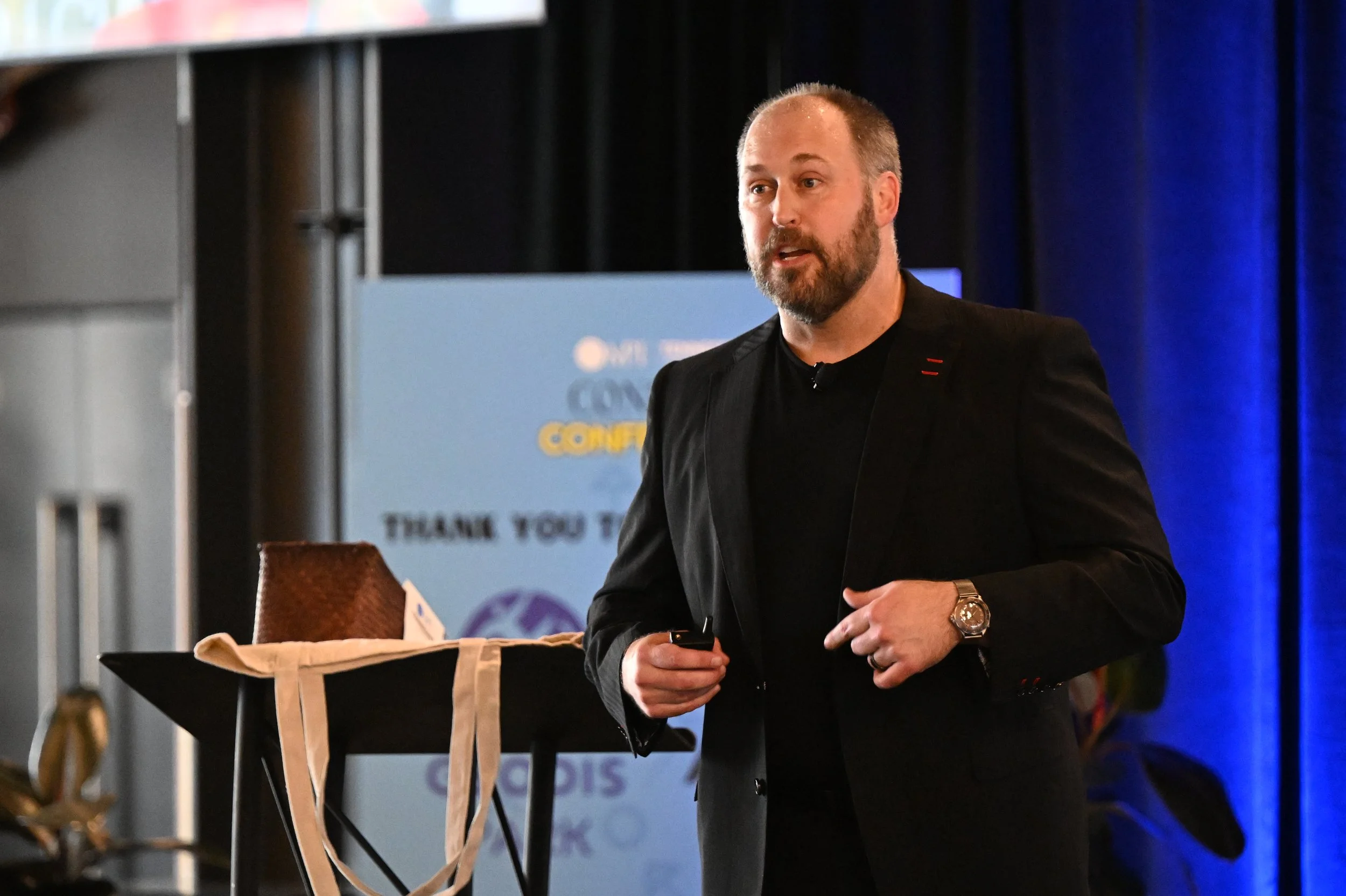
After a decade leading in combat zones, fighting institutional resistance, and serving soldiers who needed it most — here is the resilience framework I actually live by.
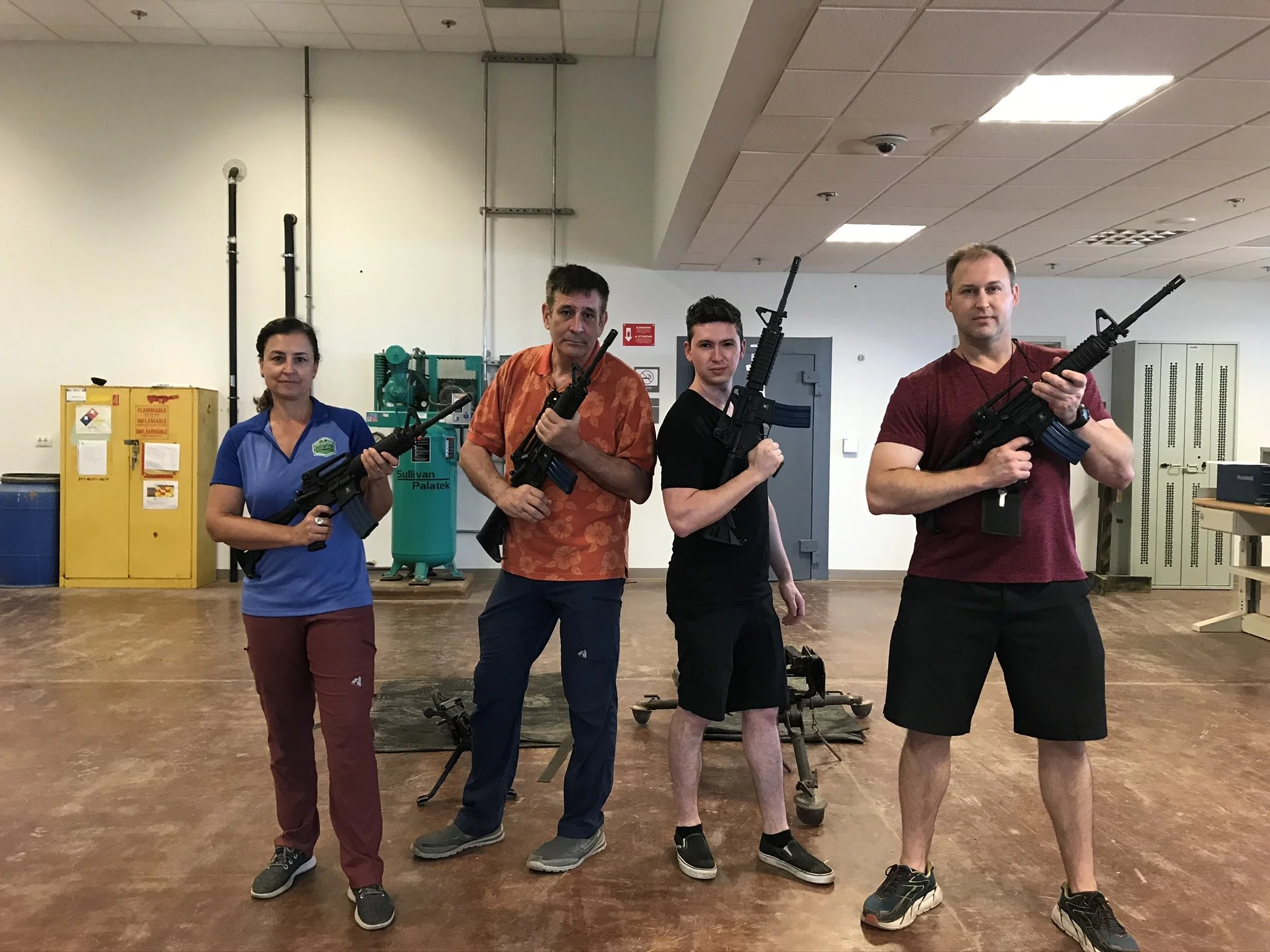
After a decade leading in combat zones, fighting institutional resistance, and serving soldiers who needed it most — here is the resilience framework I actually live by.
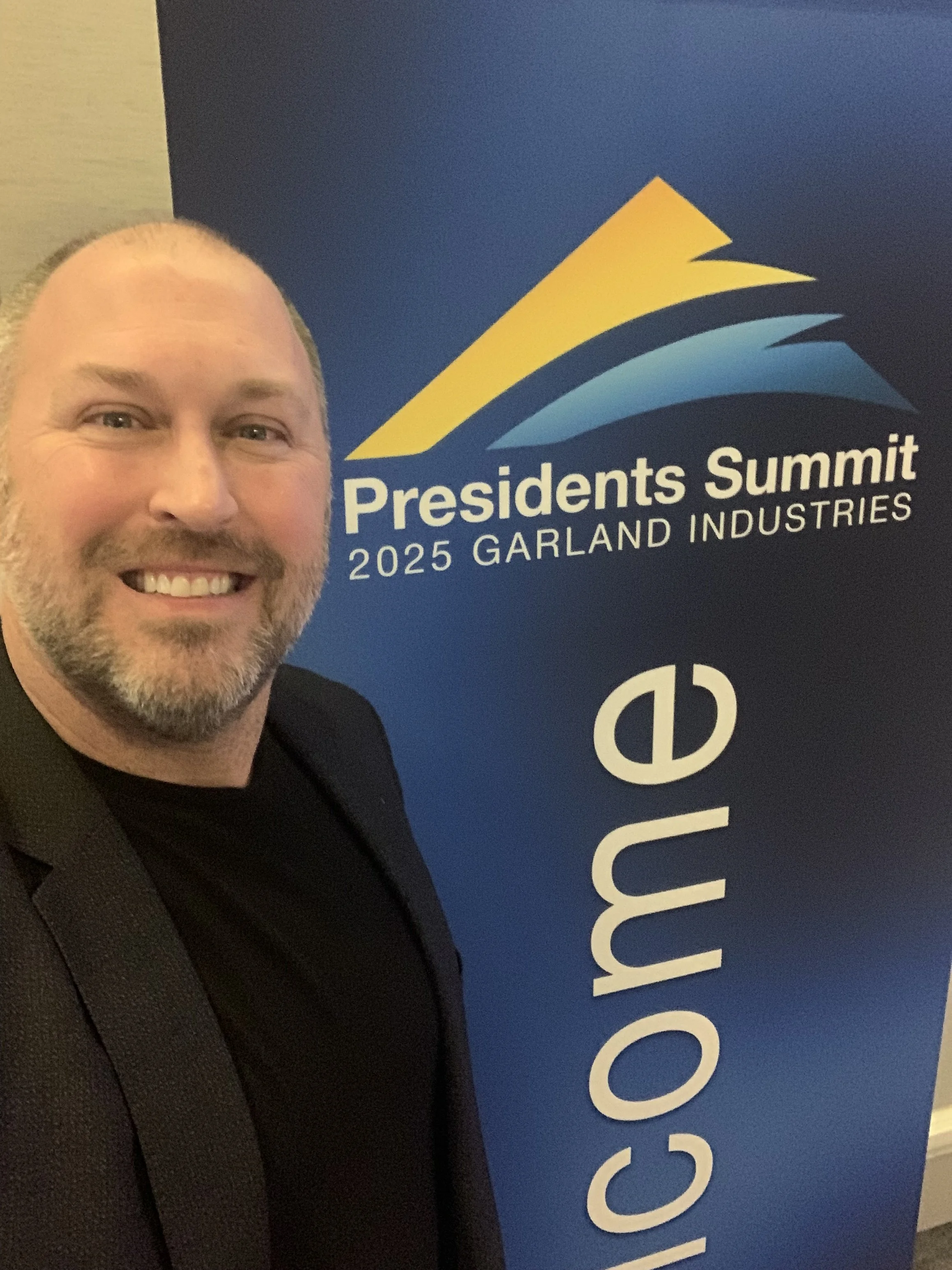
Sixty company presidents. A Ritz-Carlton reception in Naples. A comedian who underdelivered — and a close-up magician who became the thing nobody stopped talking about for the rest of the summit.
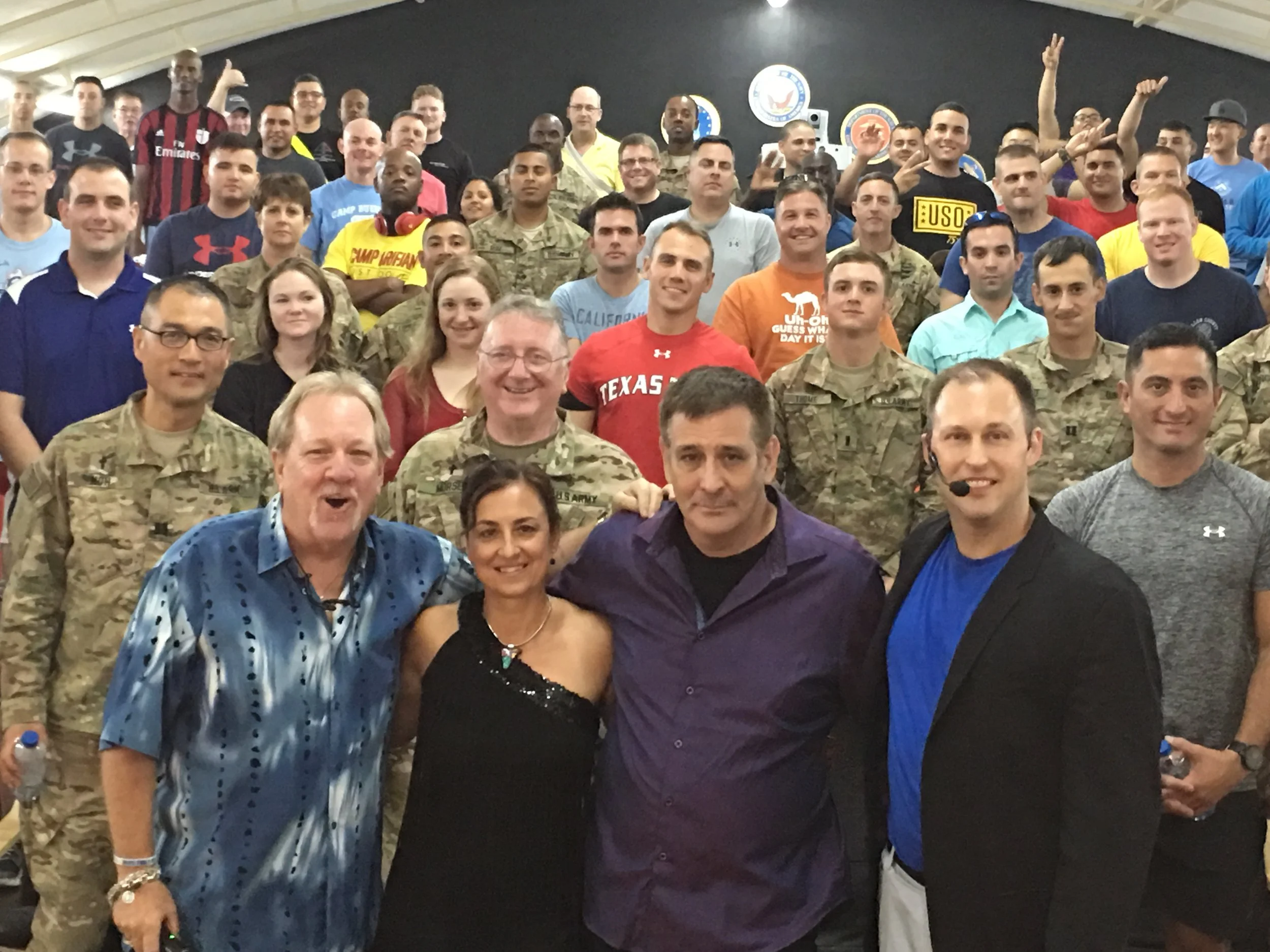
A special ops commander told me his team came to my show after a harrowing mission. That conversation changed how I understand what purpose in leadership actually means.
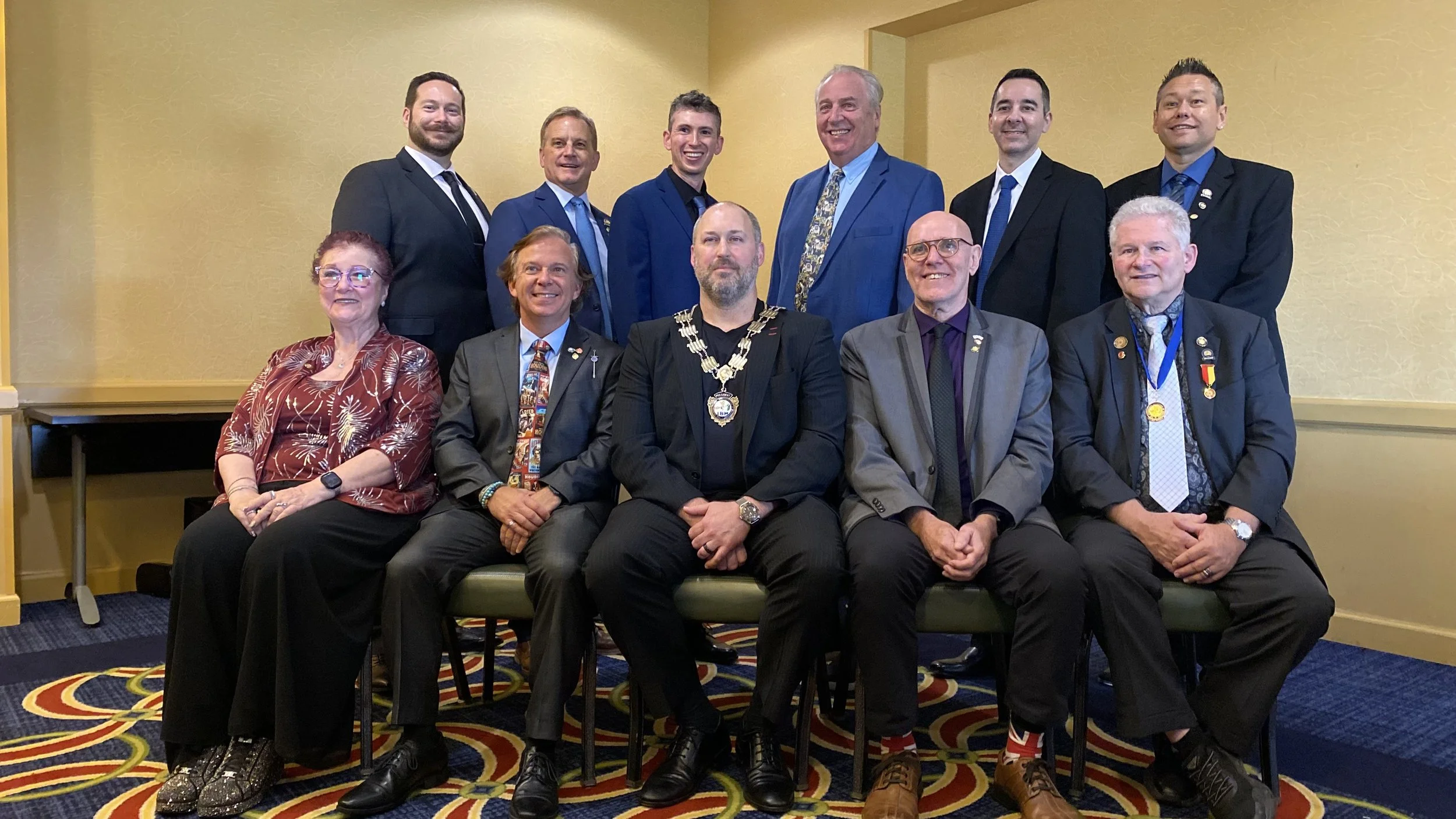
When I joined the IBM's leadership, the organization was declining and afraid of its own future. Here's what it took to change that — and what fear actually looks like inside a resistant institution.
After a decade leading performers on overseas military tours, I've learned resilient teams aren't built in the crisis — they're built long before it arrives.
When geopolitical crisis shut down our military tour in Saudi Arabia, I had to lead my team home with no plan. Here are the 5 lessons that resilient leadership demands.
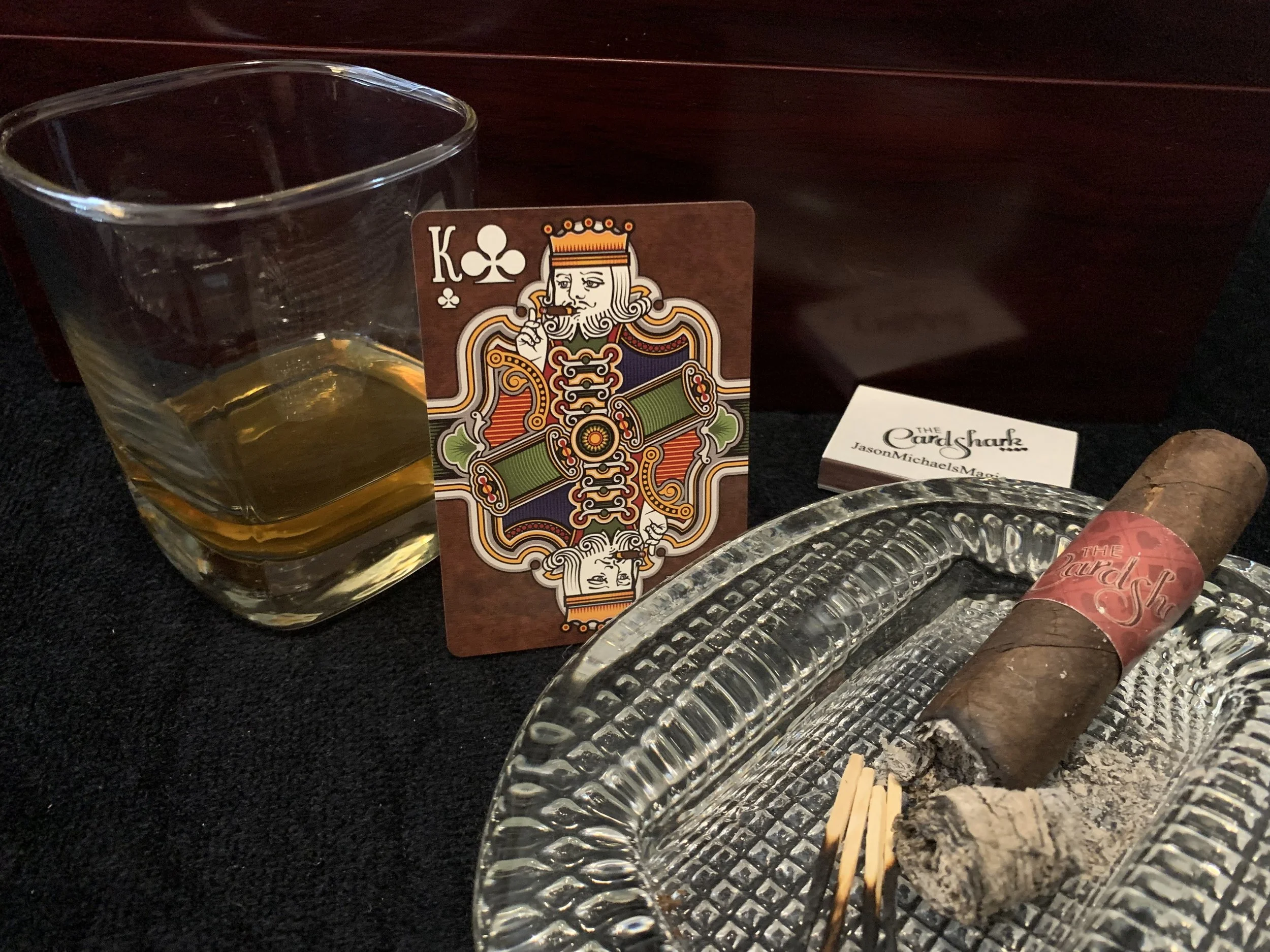
How corporate sponsorship actually works for a magician — what brands look for, why it's earned through craft rather than pitched, and how Jason Michaels built the Maduro Deck for Cigar Aficionado.
A brand marketing director who has read the case for experiential activation — who understands why the most sophisticated luxury brands are moving budget from media to private performance — eventually arrives at the practical question. Not whether this approach works. The data on that is unambiguous. The question is what it actually looks like when it is done correctly.
What happens in the room. What the brand receives and when. How the logistics work. What makes the difference between an activation that produces the kind of memory that compounds over years and one that produces a pleasant evening that nobody is describing three weeks later.
Those are the questions this article answers.
A watch brand debuted a new timepiece at a private dinner in Nashville — not at a press event, not through a media campaign, but in a room of their most important local clients, with world-class close-up magic happening inches from the faces of the people the brand most needed to impress. Nobody saw an advertisement that evening. Every person in that room left with a specific, personal, irreversible memory attached to the brand.
Here is exactly how that happens, what it costs the brand in effort, and what it returns in the quality of relationship it produces.
From broker opens to high-end home reveals, here's why world-class sleight of hand creates the one thing a luxury listing needs most — a room full of people who don't want to leave.
There is a Hublot watch that debuted in Nashville not at a press event or a product launch or a paid media campaign. It debuted at a private dinner at King Jewelers, in a room of the brand's most important local clients, over an evening that combined exceptional food, considered hospitality, and close-up sleight-of-hand magic performed inches from the faces of the people the brand most needed to impress.
Nobody in that room saw an advertisement that night. They had an experience. And the experience was designed, deliberately, to produce something no advertisement can produce: a specific, personal, irreversible memory attached to the brand in the minds of the people who matter most to it.
That is not an unusual marketing decision anymore. It is the direction the entire luxury industry has been moving for the better part of a decade. And it raises a question that most luxury brand marketing directors have not yet asked:
What goes in the room that is genuinely extraordinary rather than merely impressively produced?
What follows is the case for an answer that most activation agencies have not considered — and why the brands that discover it first will have access to something their competitors cannot easily replicate.