
LUXURY BRAND MARKETING · EXPERIENTIAL ACTIVATION · PRIVATE PERFORMANCES
The most sophisticated luxury brands have stopped buying media space. They are buying experiences — invite-only, impossible to replicate, and designed to produce the word-of-mouth that no advertisement has ever generated. Here is where world-class close-up magic fits into that strategy.
Jason Michaels | 8 min read | Luxury Brand Marketing | Experiential Activation
“There is a Hublot watch that debuted in Nashville not at a press event or a product launch or a paid media campaign. It debuted at a private dinner at King Jewelers, in a room of the brand’s most important local clients, over an evening that combined exceptional food, considered hospitality, and close-up sleight-of-hand magic performed inches from the faces of the people the brand most needed to impress.”
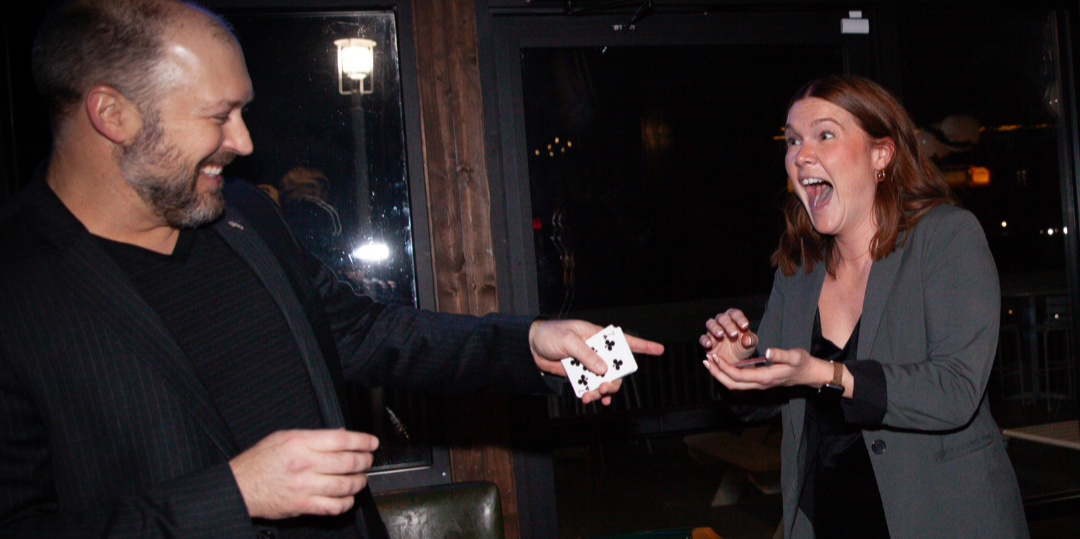
Nobody in that room saw an advertisement that night. They had an experience. And the experience was designed, deliberately, to produce something no advertisement can produce: a specific, personal, irreversible memory attached to the brand in the minds of the people who matter most to it.
That is not an unusual marketing decision anymore. It is the direction the entire luxury industry has been moving for the better part of a decade. And it has significant implications for how the most sophisticated brands in the world think about entertainment — and what they are willing to pay for it.
Why traditional advertising stopped working for luxury brands.
The ultra-wealthy consumer does not respond to advertising the way other consumers do. They have the resources to filter it completely — premium content subscriptions, private browsing, the social and professional insularity that comes with operating at a level where most marketing is simply not targeted at them in any meaningful way. And even when advertising reaches them, its persuasive architecture is the wrong tool for the job.
Advertising works by creating desire through exposure — by presenting an aspirational image often enough that the audience begins to identify with it. That mechanism depends on the audience aspiring to something they do not yet have. The ultra-wealthy consumer already has most of what luxury advertising is selling. The aspiration architecture does not apply.
What applies instead is something that advertising cannot produce regardless of budget: the feeling of being inside the brand’s world rather than observing it from outside. The experience of being treated as someone the brand genuinely wants in the room — not as a demographic target, not as an impression, not as a conversion goal, but as a specific individual whose presence at a specific occasion matters.
85%
OF LUXURY BRANDS BELIEVE EXPERIENTIAL MARKETING IS ESSENTIAL FOR BUILDING EXCLUSIVITY AND ENGAGING DSCERNING CLIENTELE
91%
OF CONSUMERS REPORT MORE POSITIVE BRAND FEELINGS AFTER ATTENDING A LIVE EXPERIENTIAL EVENT
10x
THE ROI OF THE MOST SUCCESSFUL EXPERIENTIAL ACTIVATIONS COMPARED TO TRADITIONAL MARKETING CHANNELS
These numbers reflect a fundamental shift in how the luxury industry allocates its marketing budget. The brands winning in premium markets right now are spending less on broad reach and more on deep impact with the right people. They are investing in fewer, better touchpoints — touchpoints that produce the organic advocacy that luxury brands actually need: credible recommendations from trusted sources who genuinely believe in the brand because they have experienced it from the inside.
What a luxury brand activation actually is.
The term the industry uses is brand activation — a live, curated experience that immerses a targeted audience in the brand’s world in a way that produces emotional connection rather than transactional awareness. The activation does not sell a product. It creates the feeling of being part of something that the product represents. And that feeling, when it is genuine, produces loyalty and advocacy that no advertisement has ever approached.
The most effective luxury activations share four qualities. They are invite-only, which creates the insider experience that ultra-wealthy consumers actually respond to. They are impossible to replicate, which prevents the dilution that comes with scale. They are designed to produce conversation, which is the only form of marketing that carries genuine credibility with a sophisticated audience. And they are anchored around something that is genuinely extraordinary — not impressively produced but genuinely, unmistakably, in the room exceptional.
“The brands that waste money on events make predictable mistakes. They treat them as sales presentations instead of brand experiences, prioritize attendance numbers over audience quality, and forget that luxury consumers can smell desperation and performative authenticity from across the room. The events that work understand something crucial: you are not trying to close a sale in three hours. You are creating a moment that becomes part of someone’s story.”
That last quality — the genuinely extraordinary anchor — is where most activations fall short and where the strategic opportunity exists. A private dinner at an exclusive restaurant is a well-produced activation. It is also something the audience has attended dozens of times in different configurations with different brands. It is impressive without being irreversible. The food is gone by the end of the evening. The conversation has no specific content to attach to the memory. The brand association exists, but it competes with every other brand that has hosted a similar evening.
What makes a memory irreversible is a specific event that happened in that room, to that particular group of people, that could not have been planned, replicated, or experienced by anyone who was not present.
Why close-up magic is the ideal luxury brand activation.
World-class close-up sleight-of-hand magic is not a standard item in the luxury brand activation toolkit. It should be. And the reason it should be has everything to do with the four qualities that define an effective luxury activation.
It is inherently exclusive. Close-up magic at the highest level works for small groups — the intimate dinner, the private salon, the invite-only client event. It does not scale to a mass audience without losing the quality that makes it extraordinary. That constraint is not a limitation. In the luxury activation context, it is the entire point. An experience that is available only to the people in that specific room on that specific evening is exactly the kind of experience that produces the insider feeling that ultra-wealthy consumers respond to.
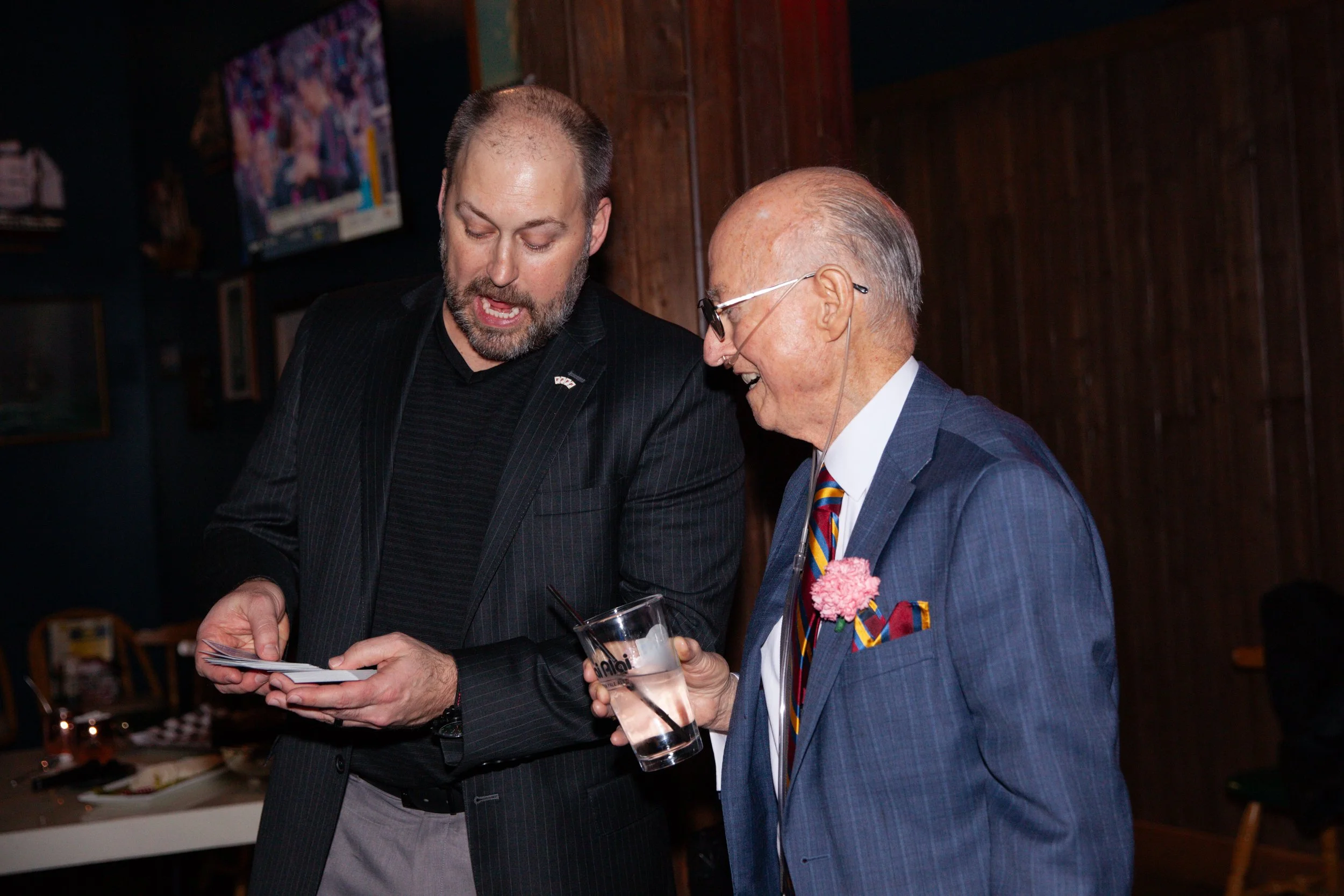
It is impossible to replicate. Every close-up magic performance is specific to the people present. The card that was chosen and signed by the client in the front row of a private watch brand dinner is not the same card that will be chosen at any subsequent event. The impossible thing that happened in her hands happened to her, in that room, in the presence of the brand that created the occasion. That specificity is what attaches the memory to the brand permanently rather than temporarily.
It produces conversation. The organic advocacy that luxury brands most need — credible recommendations from trusted sources who genuinely believe in the brand because they have experienced it from the inside — requires something to talk about. A well-catered dinner gives people something pleasant to have experienced. Close-up magic at the highest level gives them something they cannot fully explain, that they are compelled to describe to people who were not there, and that they instinctively attribute to the evening where it happened and the brand that hosted it.
It is genuinely extraordinary. Not impressively produced. Not expensively staged. Genuinely, unmistakably, in the room impossible — in the hands of the client, under their own scrutiny, with no infrastructure between them and the experience. That quality of genuine impossibility is what produces the specific reaction — the silence, the eruption, the turn to the person next to them — that no production budget can manufacture.
The experience itself becomes the story they share, driving social reach and word-of-mouth referrals that no paid placement can buy. When luxury consumers feel like insiders — when something extraordinary happened specifically to them in a room that the brand created — they return. And they bring others with them. That is the compounding return on a luxury experiential activation done correctly. And it begins with having something genuinely extraordinary in the room.
What the Maduro Deck proved.
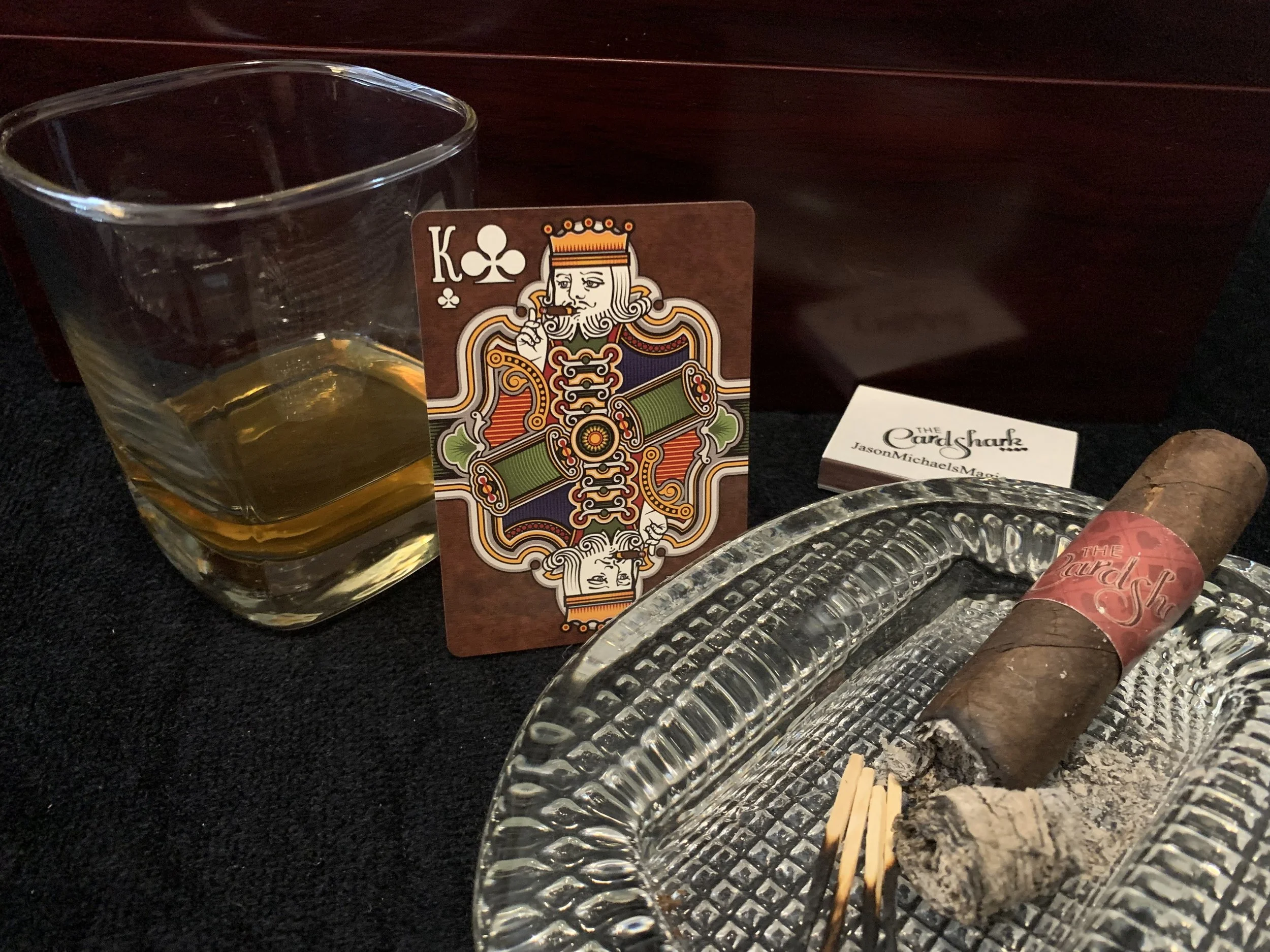
There is a playing card called the Maduro Deck. It was not commissioned by anyone. It was created independently — a bespoke deck designed around the world of premium cigars, built specifically to earn the attention of Cigar Aficionado and demonstrate that the craft of world-class close-up magic belonged in the same cultural conversation as the things that publication covers.
It worked. Not because a brand paid for the association. Because the craft earned it.
That distinction matters more than it might initially appear. A brand can purchase an endorsement. What cannot be purchased is the recognition that comes when a publication devoted entirely to the appreciation of objects made with extraordinary care looks at a deck of playing cards being handled by someone who has spent twenty-five years learning what it can do — and sees the same thing. Genuine mastery applied to a humble medium. Craft that belongs in the same category as the things they write about, not because a marketing arrangement said so, but because it is true.
That is the proof of concept for the luxury brand activation argument. Not that a brand paid to be associated with world-class sleight of hand. That the luxury world — unprompted, without a marketing agreement, on its own terms — recognized that the association was appropriate. The Maduro Deck earned its place in that world. The brands that recognize what that means will have access to an activation format their competitors cannot easily replicate — because the format requires not just a performer but a specific level of craft that very few performers in the world have achieved.
What a luxury brand receives from the association.
The return on a well-executed brand activation with world-class close-up magic is not measured in impressions or click-through rates. It is measured in the quality of the memory attached to the brand in the minds of the people who were in the room.
A client who attended a private dinner hosted by a watch brand and watched something impossible happen in their hands at that table does not remember the dinner as a brand event. They remember it as an evening where something extraordinary happened — and the brand is inseparable from that memory because the brand created the occasion. When they describe the evening to someone else — and they will describe it, because the experience is genuinely worth describing — the brand name is part of the story. Not as a sponsor. As the host of the most memorable evening of that quarter.
That is not something a media buy can produce. It is not something a production budget can manufacture. It requires genuinely extraordinary content in the room — content that is specific, personal, irreversible, and impossible to fully explain. World-class sleight of hand, for a luxury brand with the right client audience, produces all four qualities simultaneously.
The brands that understand this are spending less on broad reach and more on deep impact. The question for a luxury brand marketing director is not whether experiential activation works — the data on that is unambiguous. The question is what goes in the room that is genuinely extraordinary rather than merely impressively produced.
The answer, for the right brand and the right audience, is already in a jacket pocket. It costs five dollars. And in the right hands, it produces a memory that lasts longer than any advertisement ever has.
What a Luxury Brand Activation With a World-Class Sleight-of-Hand Artist Actually Looks Like
The second article in the series — on the specific mechanics of a branded private performance, what the brand receives, and why it produces results that no other activation format can replicate.
ABOUT JASON MICHAELS
Jason Michaels is a sleight-of-hand artist, keynote speaker, and author based in Nashville, Tennessee. He is President Elect of the International Brotherhood of Magicians and a member of Fechter’s Finger Flicking Frolic (4F), an invitation-only gathering of the world’s most respected close-up performers. He has appeared on Penn & Teller: Fool Us and has been featured in The New York Times. Over twenty-five years, he has performed in more than 55 countries for private clients, Fortune 500 corporations, military leadership, and luxury brand events.
He is the creator of the Cigar Aficionado Maduro Deck Routine — a bespoke playing card magic routine built around the world of premium cigars that earned the attention of Cigar Aficionado. He is the author of You Can Do the Impossible, Too! — a memoir about growing up with Tourette Syndrome and building a career that requires absolute precision.
To discuss luxury brand activation and private performance partnerships, visit jasonmichaelsmagic.com or reach out at jm@jasonmichaelsmagic.com.
BRAND PARTNERSHIPS
Create the evening your clients will still be describing next year.
World-class close-up magic for luxury brand activations, private client events, and VIP hospitality. Tell Jason about your brand and your audience and he’ll respond personally within 24-48 hours.
Prefer email?
BRAND ACTIVATION INQUIRY
A few details help Jason respond meaningfully. This is the beginning of a conversation, not a booking form.