ON CRAFT & PARTNERSHIP
The Brand Behind the Cards
What it actually means when a company puts its name behind a magician — and why the good ones are pickier than you'd think.
By Jason Michaels
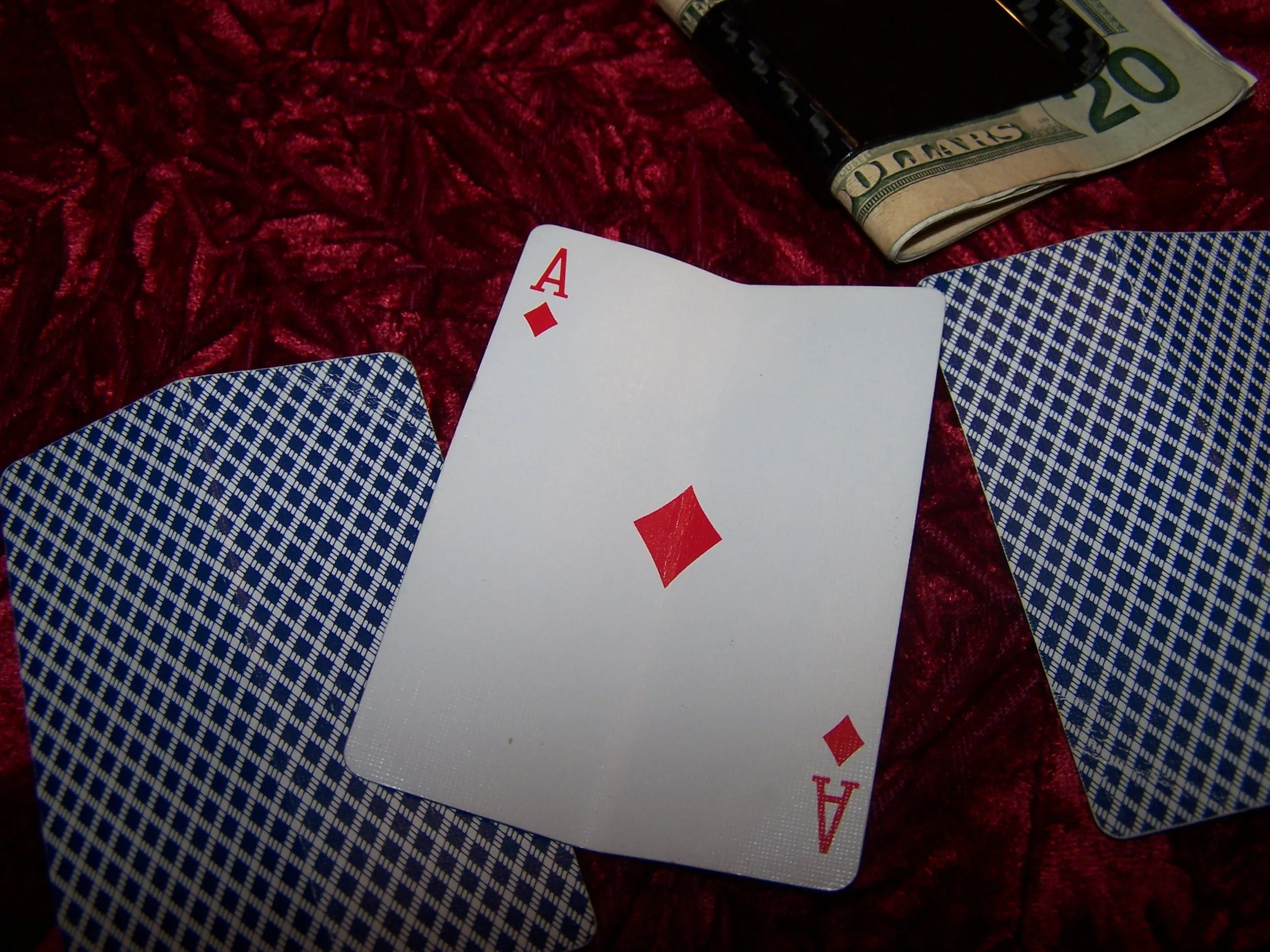
A deck of cards is not, on its face, a place you'd expect to find a cigar company's fingerprints. But that's where the Maduro Deck started — a design for a piece of card magic built by hand, out of nothing but an idea that cigar culture and card culture share the same DNA: ritual, patience, and a respect for things done slowly. When I sent it to Cigar Aficionado, I wasn't pitching a magic trick. I was pitching a shared sensibility. That distinction is the entire story of corporate sponsorship, and almost nobody tells it that way.
Most people hear "sponsorship" and think of a logo on a banner behind a stage. Money changes hands, a name gets mentioned, everyone moves on. That version exists, and it's fine as far as it goes. But it's not what sponsorship is for, and it's not why the arrangement is worth wanting in the first place.
The real version is quieter and more selective. A brand doesn't sponsor a performer because the performer needs the exposure. It sponsors a performer because something in the work already looks like something the brand believes about itself — and attaching its name is a way of saying so out loud.
“A sponsor isn’t buying your audience. A sponsor is borrowing your credibility to say something about their own.”
Why the Good Ones Say No More Than They Say Yes
I've watched other performers chase sponsorship the way they'd chase a booking — cold emails, a media kit, a list of follower counts. It rarely works, and when it does, it rarely lasts, because it was built backward. A brand isn't hiring a vendor. It's choosing a face for something it can't say about itself without sounding like it's bragging.
That's a much narrower door than most people account for. A luxury watchmaker doesn't need a magician who's good. It needs a magician whose hands, whose pacing, whose whole bearing at a table already look like precision — so that when their name sits next to yours, nothing about the pairing needs to be explained.
THE MADURO DECK
A SMALL CASE STUDY
The Maduro Deck wasn't commissioned. I built it because two worlds I already lived in — sleight of hand and cigar culture — shared an unspoken vocabulary, and no one had bothered to put that vocabulary on cardstock. Cigar Aficionado didn't feature it because it needed content. They featured it because the deck already spoke their language before I ever asked them to listen.
That's the order that actually works: build the thing that's true to your craft first, and let the brand recognize itself in it — not the other way around.
What a Sponsor Is Actually Buying
Not eyeballs. Not a logo placement. A sponsor is buying proximity to a kind of care they can't fake internally — the hundreds quiet hours of practice nobody sees, the precision that reads as inevitability once it's performed. That's a difficult thing for a marketing department to manufacture, and an easy thing to recognize once you're standing next to it.
This is why sponsorship, done right, has almost nothing to do with begging for it and almost everything to do with becoming the kind of performer whose work already implies the partnership. The pitch, when it finally happens, is short — because the real pitch was every hour of craft that came before it.
The Overlap Is the Offer
If you're a magician thinking about sponsorship, the question isn't "who might say yes." It's "what do I already do that overlaps, without translation, with what a brand is trying to say about itself." Precision brands want precision. Legacy brands want ritual. Luxury brands want restraint. Find the overlap that already exists in your work, and build outward from there — a deck, a routine, a story — rather than starting from the brand and working backward toward relevance you don't yet have.
That's the difference between a logo on a banner and a name that means something next to yours. One is rented. The other is earned, slowly, the same way everything worth doing at a card table is earned.
Building Something Worth a Brand's Name
For meeting planners, brand partners, and anyone curious what Making Magic looks like up close.