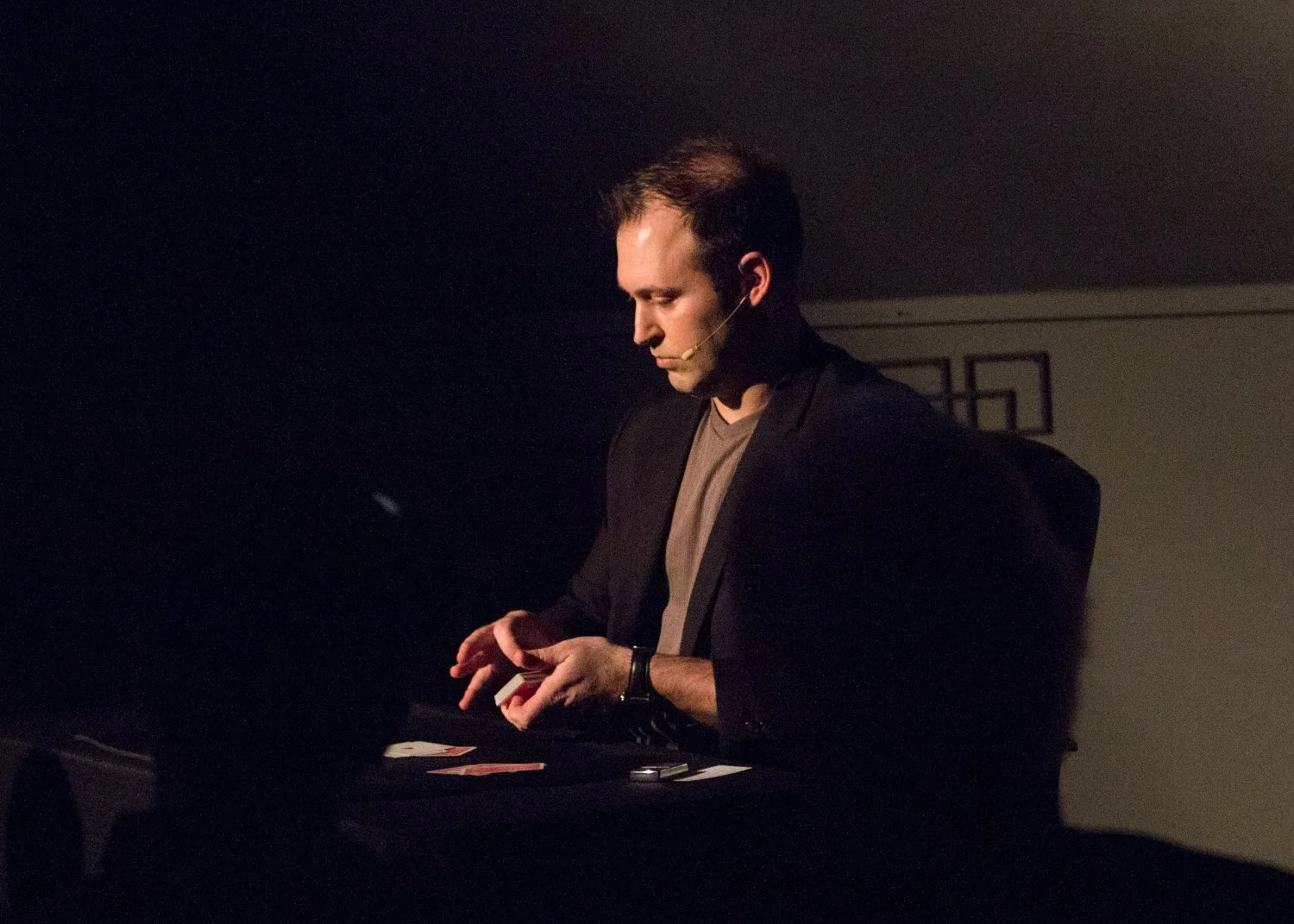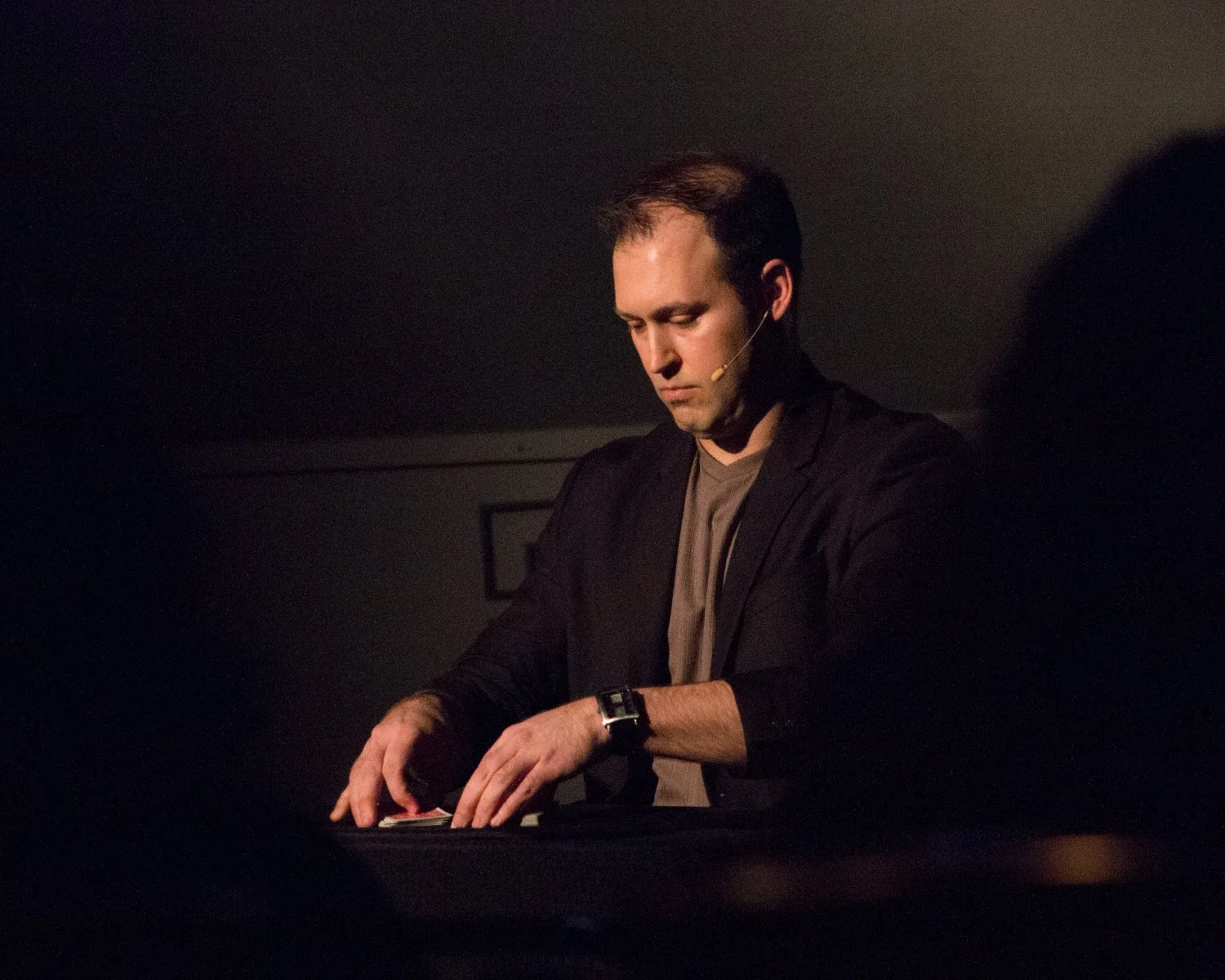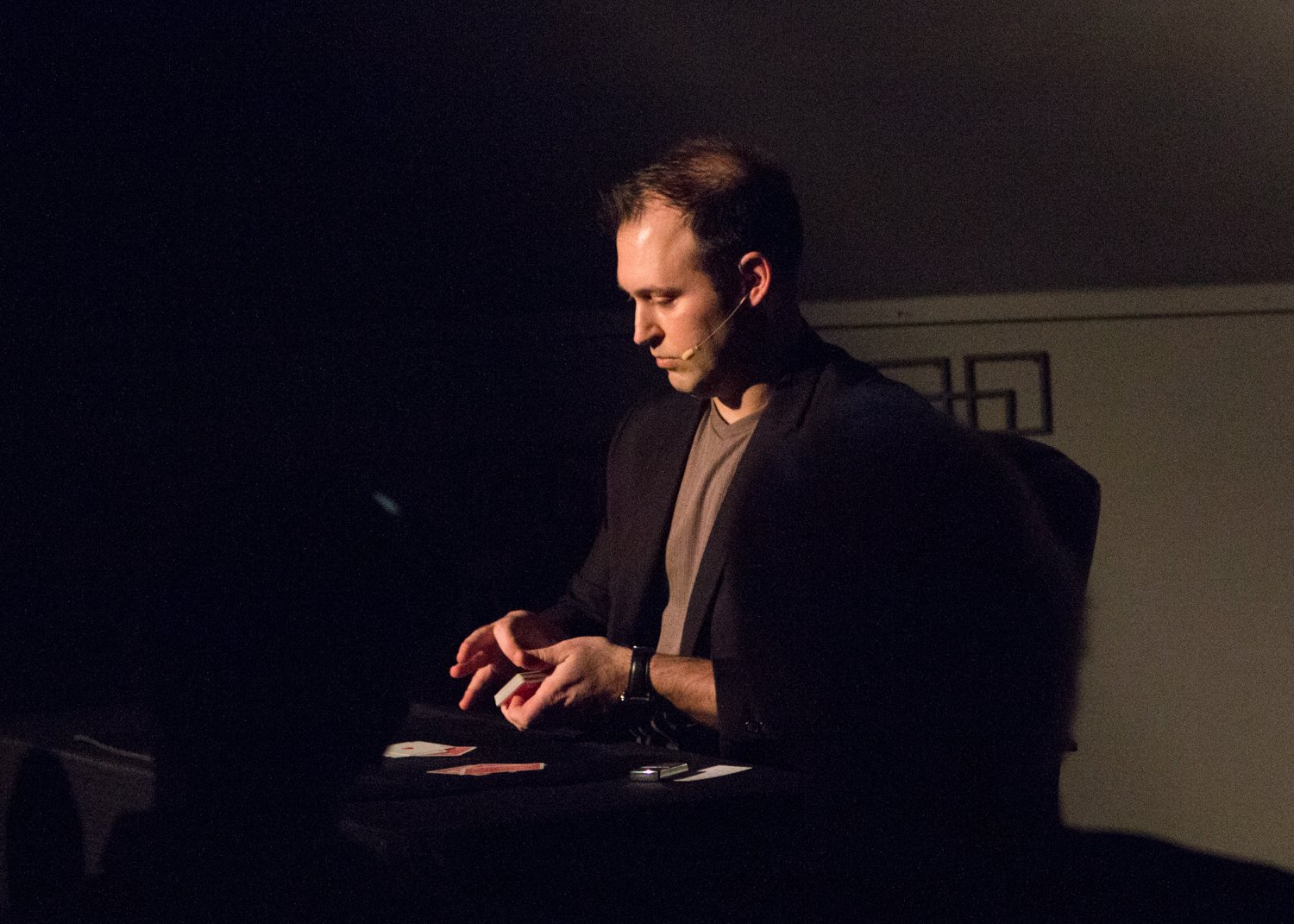


A behind-the-scenes account of performing close-up magic for a room full of company Presidents at the Ritz-Carlton, Naples — after a comedy show that hadn't quite landed.
Viewing entries tagged
sleight of hand artist
A behind-the-scenes account of performing close-up magic for a room full of company Presidents at the Ritz-Carlton, Naples — after a comedy show that hadn't quite landed.
Before you can understand what a world-class close-up magic experience costs, you have to understand what it actually takes to build one. Here's the honest version.
Not all close-up magic is the same. Learn the real difference between a party magician and a sleight-of-hand artist — and why it changes everything about your event.
A brand marketing director who has read the case for experiential activation — who understands why the most sophisticated luxury brands are moving budget from media to private performance — eventually arrives at the practical question. Not whether this approach works. The data on that is unambiguous. The question is what it actually looks like when it is done correctly.
What happens in the room. What the brand receives and when. How the logistics work. What makes the difference between an activation that produces the kind of memory that compounds over years and one that produces a pleasant evening that nobody is describing three weeks later.
Those are the questions this article answers.
A watch brand debuted a new timepiece at a private dinner in Nashville — not at a press event, not through a media campaign, but in a room of their most important local clients, with world-class close-up magic happening inches from the faces of the people the brand most needed to impress. Nobody saw an advertisement that evening. Every person in that room left with a specific, personal, irreversible memory attached to the brand.
Here is exactly how that happens, what it costs the brand in effort, and what it returns in the quality of relationship it produces.
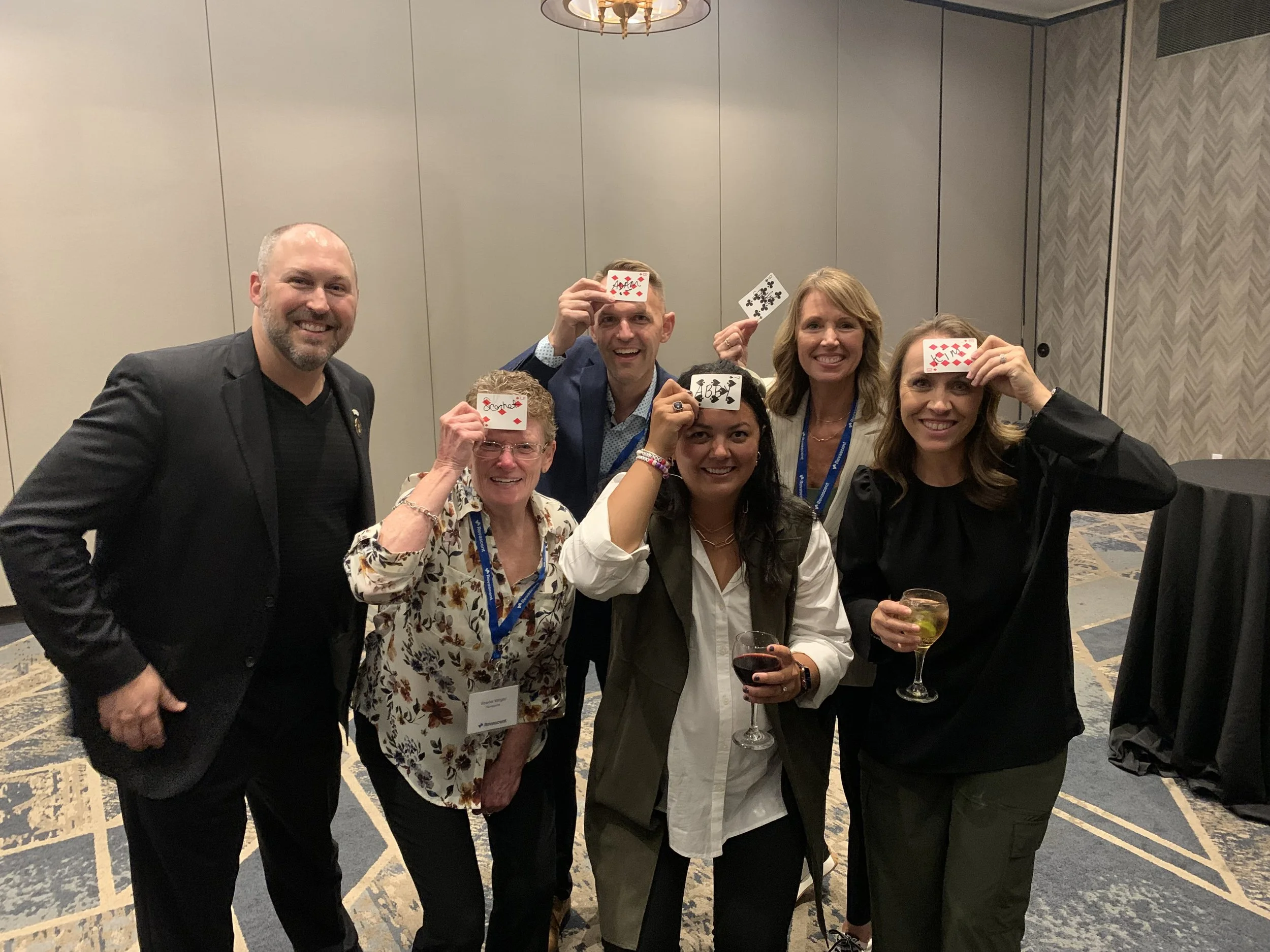
The Revascent all-staff event looked like every corporate cocktail hour I have ever walked into. People standing in line at the bar. Small plates being circulated from appetizer stations set up around the room. Clusters of colleagues finding each other, catching up, doing the pleasant social work that precedes a formal evening.
Nobody had arrived expecting anything extraordinary. Nobody had been told to expect it. The evening was pleasant. That was its ambition. To be pleasant and well-organized and a good opportunity for people who worked together to be in the same room at the same time.
I walked in with a deck of cards.
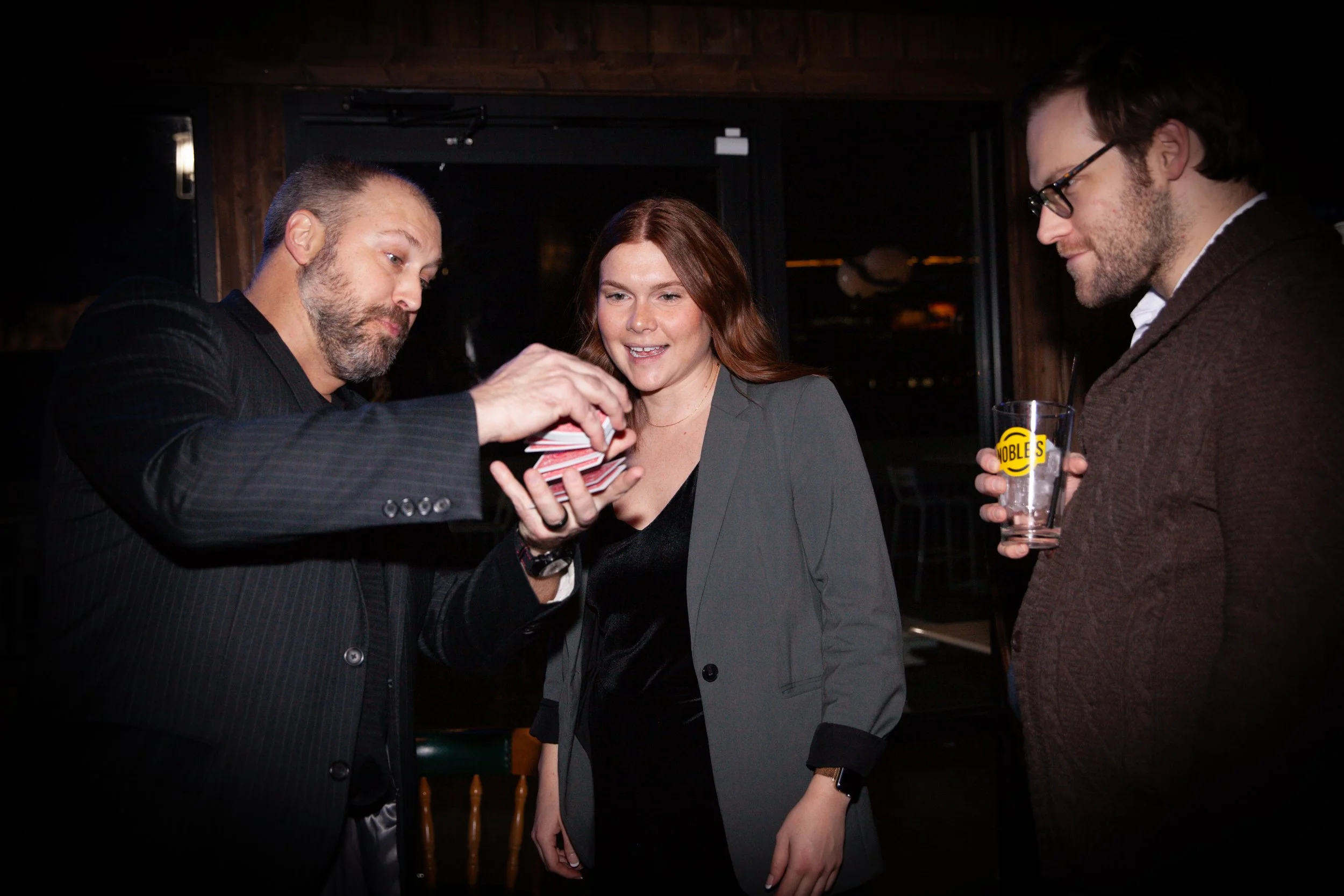
What followed was not what anyone planned. A small group became a following. A following became a crowd. A crowd became a party that nobody scheduled. And at the end of the evening, a group of people who had come for a corporate cocktail hour left with signed cards they had asked to keep — because they wanted physical evidence that what had happened to them was real.
This is not a story about a magic trick. It is a story about what world-class close-up magic actually produces in a room of people who were not expecting it — and what that means for anyone planning an event where the difference between pleasant and extraordinary matters.
When I was a teenager just starting in magic, I was convinced I could not do sleight of hand. Not that I had tried and failed. That I was not the kind of person who could do it. So I bought gimmicks instead — specialty decks and prepared props from the magic shop that simulated the effect of technique without requiring any.
Then I performed for a family in my neighborhood. After the show the father came up to me and asked, quietly, whether I had been using one of the specialty decks he had heard about.
He knew. He could see the gap between what I was doing and what the trick claimed to be.
That moment sent me back to the magic shop with a different question. Not what prop would make the magic look more convincing. But what the craft actually was — and whether I was willing to do what it required.
Thirty years later I am still working on the answer. What follows is what I have learned about the gap between a performer who knows the trick and a performer whose technique is genuinely invisible — why that gap is enormous, why it matters in a room of sophisticated people, and why it cannot be faked regardless of how convincingly someone tries.
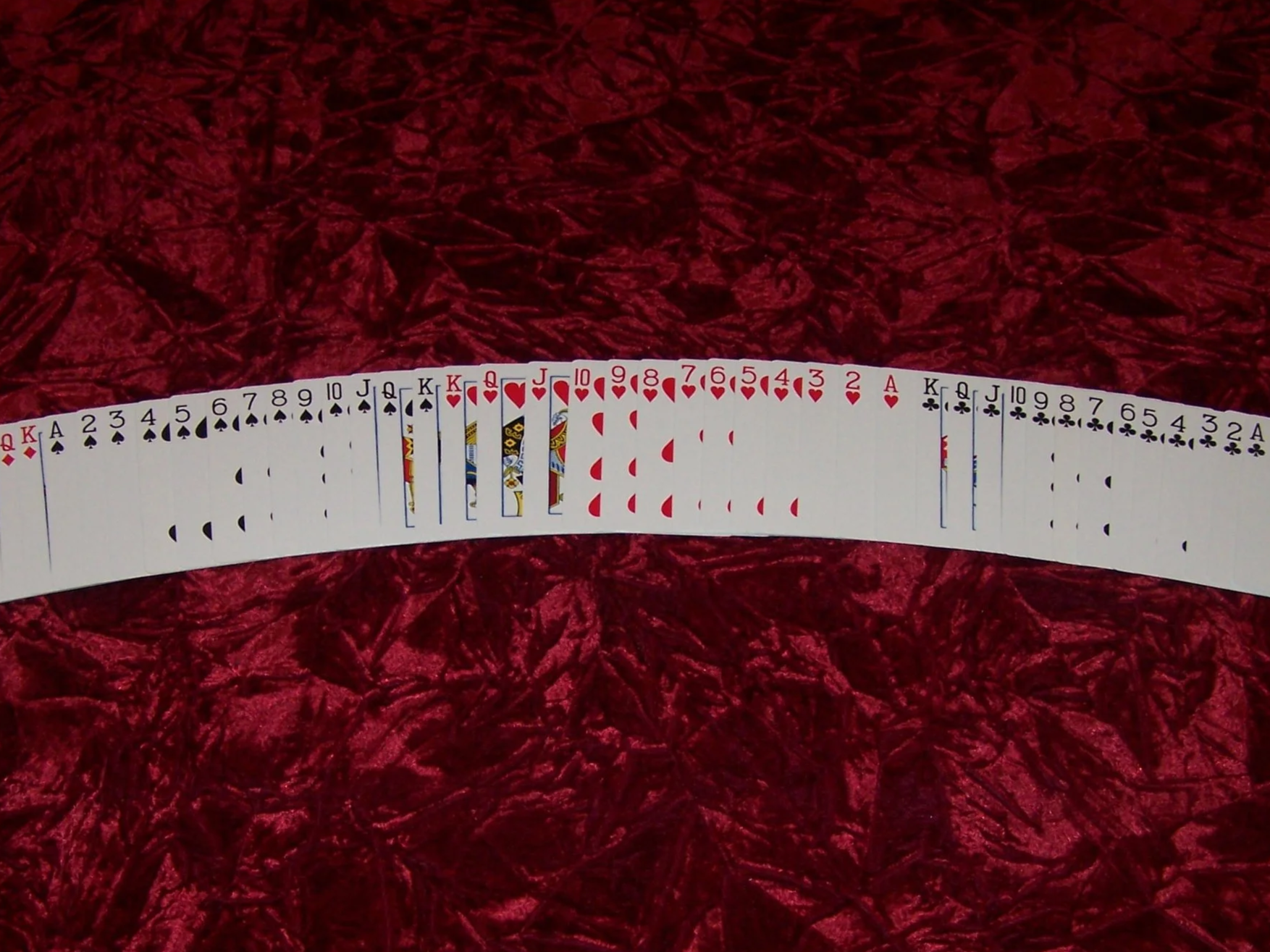
Before any performance begins, the deck is already in the room. Sitting on the table, or in a jacket pocket, or in a hand extended toward the first spectator. Nobody looks at it twice. Nobody needs to. Everyone knows what it is.
That is the point. That is everything.
A deck of playing cards is the most universally recognized object in human culture that nobody ever thinks about — not because it is uninteresting, but because familiarity has become invisibility. The deck sits on the table and the eye moves past it to the wine, the centerpiece, the face of the person across from you.
And then something happens to it that should not be possible.
What follows is not about magic tricks. It is about what a five-dollar object becomes when it carries six hundred years of human history, the stories of every person in the room, and twenty-five years of the most refined manual skill in the world. And why that combination produces something that no production budget, no expensive prop, and no digital experience can replicate.
From the tee box to the 19th hole, here's why world-class sleight of hand is the one thing missing from most corporate golf events — and what happens when it's there. Written by Jason Michaels, sleight-of-hand artist, IBM President Elect, and someone who has actually performed on a par three tee box mid-round.
Most people think they know what a magician is. They picture a birthday party, a Las Vegas stage, or a fifteen-second TikTok video. None of those images come close to describing what happens when a world-class sleight-of-hand artist performs inches from your guests' hands — in full light, with nothing to hide behind.
The difference isn't between good magic and bad magic. It's between entertainment and experience.
Read the full article →
Discover amazing close-up magicians that will captivate your audience. Read the article now!