
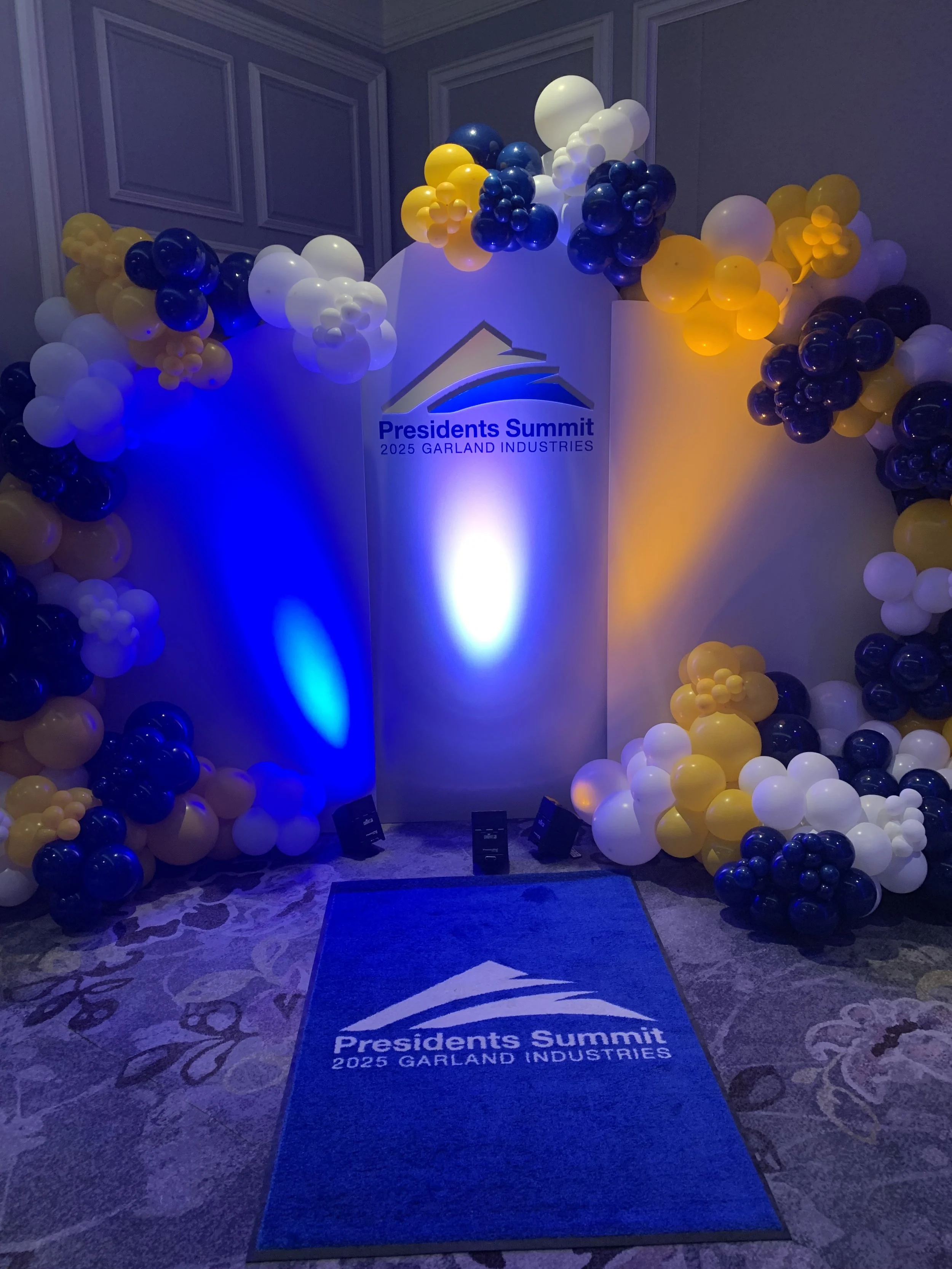
The Night I Followed a Comic at the Ritz-Carlton, Naples
There are rooms that earn their difficulty.
A room full of company Presidents at an executive summit dinner at the Ritz-Carlton is one of them. These are not people who are easy to impress. They have been to a great many events, eaten at a great many fine tables, and watched a great many performers try to hold their attention after a long day of business conversations. They are polite. They are gracious. And they have a finely tuned ability to be somewhere else in their heads while appearing to be completely present.
Getting a room like that to actually stop — to lean forward, to forget whatever they were calculating — requires something specific. I know this because I've performed for rooms like it dozens of times. And I know it especially well from one particular Monday evening in Naples, FL.
The Setup
Garland Industries had brought their top performers together for their annual President's Summit. The Ritz-Carlton, Naples is a precise choice for an event like this — it says something to the people being honored before the program even begins. The evening had moved through dinner, conversation, the kind of easy warmth that builds in a room when the food is good and the company is right.

Then came the comedy show.
I want to be careful here, because this isn't about the comic. Comedy is genuinely difficult, and performing for a corporate audience after dinner is one of the harder rooms in the business. Sometimes the energy is there; sometimes it isn't. That evening, despite everyone's best intentions, it wasn't quite there. The room was polite. It laughed where it was supposed to laugh. But it hadn't caught fire, and everyone in the room — including the people who had planned the evening — knew it.
That's the moment I walked into.
What the Room Actually Needed
Here is something I've learned about corporate entertainment over two decades: a room that has been asked to sit and watch is a different room than one that has been invited to participate.
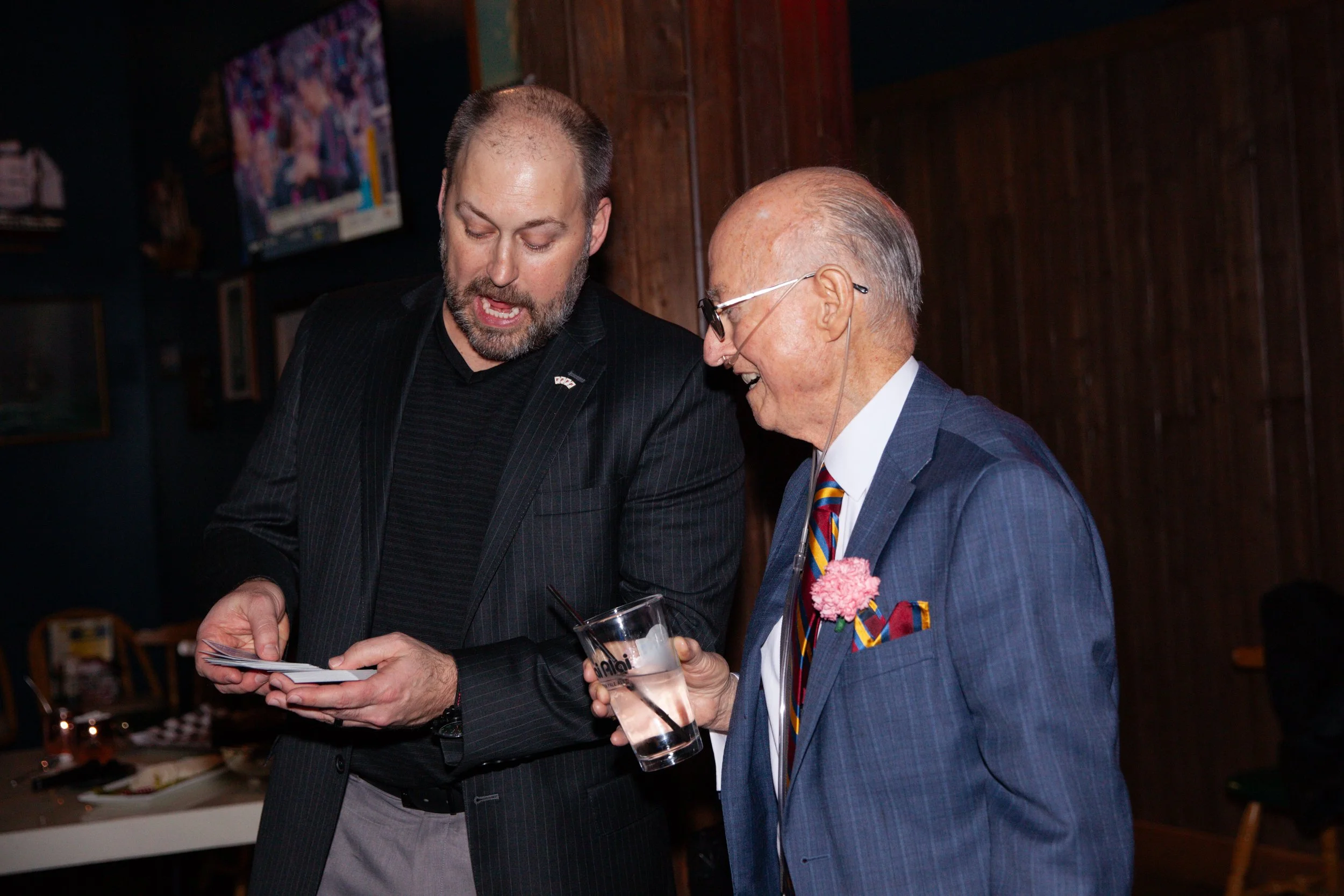
Comedy, at its best, creates a shared experience between an audience and a performer. But the audience remains the audience. They watch. They respond. They go home and remember a few lines.
Close-up sleight of hand works differently. It happens three feet away. It happens with objects the person next to you is holding. When something impossible occurs, it doesn't occur on a stage at the front of the room — it occurs in front of your face, in your hands, in a moment so intimate that there's no polite distance between you and what just happened.
That intimacy is the thing. It's also the thing that can't be faked, and can't be replicated by a performer who hasn't spent the time to make the mechanics invisible. Because at three feet, everything shows.
What that room needed, after a long evening of sitting still, was to move. To gather. To have something happen to them, not in front of them. That's a specific problem, and close-up magic is a specific solution.
What Happened
I won't walk through each effect or each group — that's not quite the point, and in some ways it misses what actually happened.
What happened is that the room changed.
These were presidents of companies. People accustomed to being the most experienced person in any given conversation. And one by one, and then in small clusters, they found themselves standing three feet away from something they couldn't explain, watching it happen again, calling a colleague over to watch it happen a third time.
That's the organic social dynamic that close-up magic produces when it's working. You don't manufacture it. You don't direct it. You perform for two people, and something happens, and they pull in a third. The third pulls in a fourth. By the time you've worked through a room like that, you haven't entertained an audience — you've given thirty people thirty individual moments that they're now comparing notes on.
Amanda Stefanski, who had organized the evening, put it this way:
“Our group truly enjoyed having you at our hospitality last Monday! It was such a fun experience that our guests were talking about throughout the entire program. Thank you for wowing our audience!”
The phrase I keep coming back to in that note is "throughout the entire program." Not during the performance. Not immediately after. Throughout the rest of the evening — the conversations, the wrap-up, the goodbyes. The moments that happened in small groups at arm's length became the through-line for everything that followed.
That is, in a sentence, what this format can do for an event.
What I Took Away From That Evening
I've performed at a lot of Ritz-Carlton properties, in a lot of cities, for a lot of audiences who came in skeptical and left with something they couldn't fully explain. That Monday in Naples wasn't the most elaborate booking I've had. It wasn't the longest or the largest.
But it was a clean illustration of something I believe about this work: the right entertainment in the right context doesn't just fill time. It changes the tenor of an evening. It gives people something to share. And in a room full of Presidents who had all accomplished enough to be hard to impress, that's not a small thing.
The comedy show hadn't been the problem. The problem was a mismatch between format and moment. A large group, post-dinner, in a room designed for conversation, doesn't need a performance to watch — it needs an experience to move through.
That's what close-up sleight of hand is built for.
This is Part 4 of a five-part series on luxury close-up entertainment. If you're just joining, [Part 1 covers what distinguishes a sleight-of-hand artist from a magician], [Part 2 walks through how to read a performer's credentials], and [Part 3 gets into what two decades of professional practice actually costs and produces]. The final piece is a buyer's guide to evaluating entertainment for a private or luxury event.
If you're planning an event and want to discuss what this experience looks like in your room, [reach out here].