
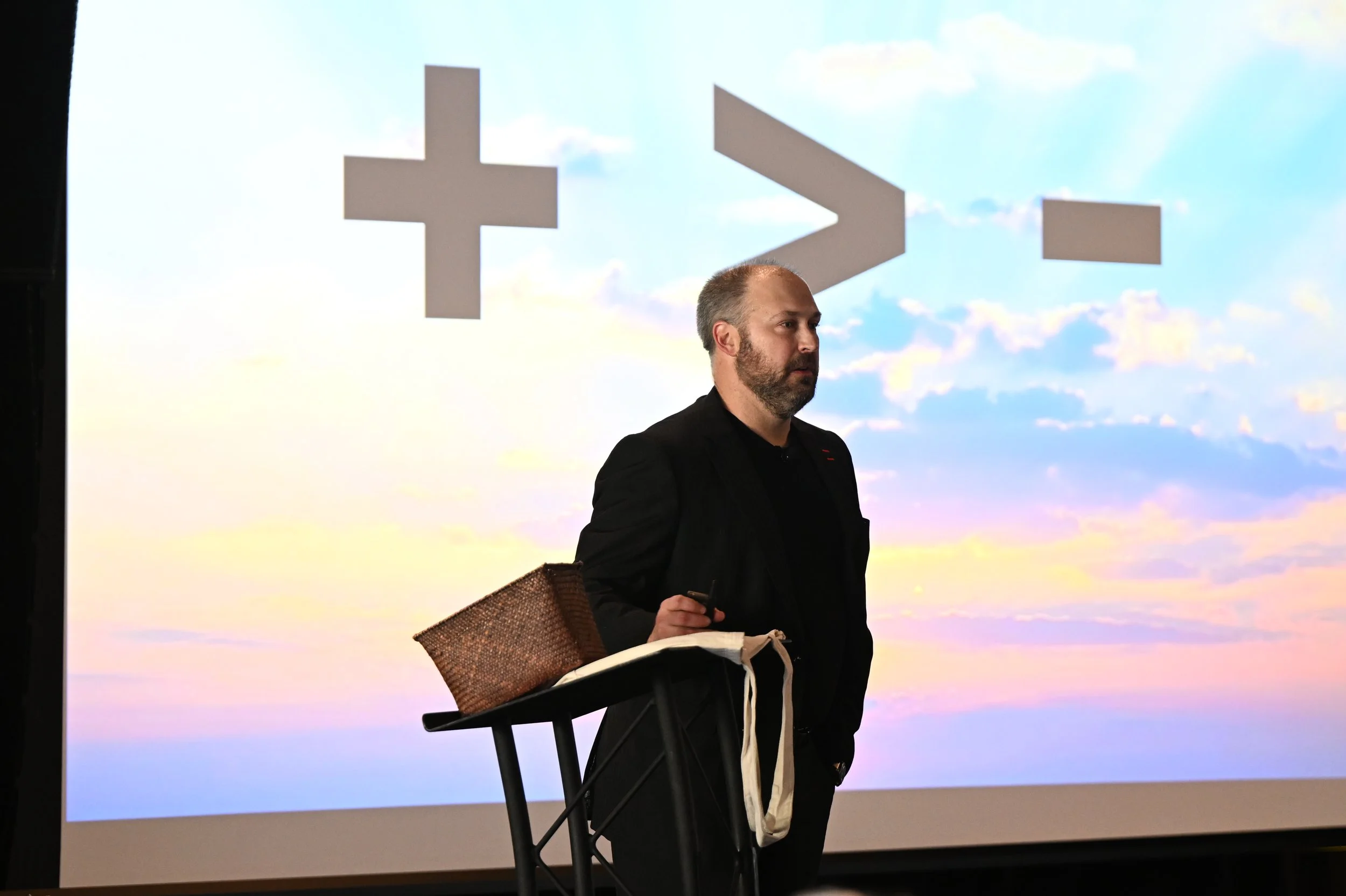
Disability · Keynote Speaking · Resilience
Most disability speakers make an audience feel inspired on behalf of someone else. Here’s what happens when the story makes them feel something about their own relationship to limitation — and why that distinction matters for your event.
Jason Michaels | 7 min read | Disability | Resilience | Keynote Speaking
There is a particular kind of applause that happens at the end of a disability keynote. You know it when you hear it. It is warm and sustained and genuine — and it is almost entirely about the speaker, not the audience. The room is applauding someone else’s courage. Someone else’s journey. Someone else’s triumph over something the audience is grateful they don’t have to face themselves.
That applause is real. The admiration behind it is real. And it changes almost nothing about how the people clapping think about their own lives.
I have been a keynote speaker for years. I grew up with Tourette Syndrome — a neurological condition characterized by involuntary movements and vocalizations — and I built a career as a world-class sleight-of-hand artist. A career requiring the kind of absolute physical precision that my condition was supposed to make impossible. When I tell that story on stage, I am describing a disability. But I am not trying to make the audience feel something on my behalf.
I am trying to make them feel something on their own.
The problem with most disability keynotes.
The disability speaker category is full of genuinely extraordinary people with genuinely extraordinary stories. Athletes who competed at the highest levels without limbs. Survivors of accidents that should have ended careers and didn’t. People who navigated systems built against them and built something remarkable anyway. These stories are worth telling. The courage they represent is real.
But most of them create a specific kind of distance in the audience. The more extraordinary the obstacle, the more the audience experiences the speaker’s journey as fundamentally unlike their own. A person without legs who runs marathons is inspiring in a way that is also, quietly, othering. The audience admires from a distance that feels safe. That person is remarkable. I could never do what they did. Thankfully, I will never have to.
The applause that follows is warm. The lessons are noted. And by Thursday, most people in the room have returned to the same relationship with their own limitations that they arrived with on Monday.
“The most powerful disability keynote is not the one that makes the audience marvel at what someone else overcame. It is the one that makes every person in the room look differently at what they have been telling themselves they cannot do.”
That is a harder thing to accomplish. It requires a story that is specific enough to be credible and universal enough to be inhabited. It requires a speaker who is not asking for admiration — who is, in fact, making the audience slightly uncomfortable about how long they have let their own version of limitation go unexamined.
Why Tourette Syndrome is the right story for inclusive workplaces.
Tourette Syndrome is an invisible condition. Unlike a physical disability that an audience can see and immediately categorize as extraordinary, Tourette’s operates beneath the surface — shaping how a person moves, speaks, focuses, performs under pressure, and navigates the constant low-level negotiation of presenting a controlled version of themselves to the world.
That experience — the experience of managing something internally that the room cannot see — is not exotic to a corporate audience. It is, in various forms, nearly universal. Anxiety. Depression. Chronic pain. ADHD. Grief. The weight of something personal carried invisibly into a professional space every day. Authentic perspectives from the disability community build trust with audiences because the experience is lived rather than abstract, and that matters in conversations about mental health.
Tourette Syndrome is often described as an invisible disability. The uncontrollable tics associated with it, however, are very real. (This clip - from his keynote - is an example of the tics that Jason Michaels lives with on a daily basis.)
When I describe what it cost to build a career of absolute precision while managing an involuntary neurological condition, the audience does not experience it as someone else’s story. They experience it as a more extreme version of their own. The disability is different. The negotiation is the same.
And then the magic happens. Literally.
That story became a memoir — You Can Do the Impossible, Too! And then a second book. Tourette Warriors is a collection of interviews with successful adults living with Tourette Syndrome — because the most important thing about building an impossible career is that it proves possibility to everyone who needed to see it done. For an audience wondering whether their own limitation is a verdict or a variable, that proof matters.
A deck of cards does something impossible in plain sight. A coin vanishes and reappears in a way that the people watching — who are now close enough to see everything — cannot account for. The hands doing this belong to someone who just told them, in specific and unsparing detail, what those hands were supposed to be incapable of. The distance between the story and the demonstration is zero. That is not inspiration at a remove. That is proof delivered in person, in real time, in front of their own eyes.
What this keynote is actually doing.
The disability keynote that changes an audience is not doing one thing. It is doing several simultaneously, and the sequence matters.
01 It closes the distance between the speaker’s limitation and the audience’s own
The goal is not for the audience to admire what Jason overcame. It is for each person in the room to recognize, in Jason’s story, the shape of their own. The disability is the vehicle. The destination is self-recognition.
02 It reframes limitation as information rather than verdict
Most people treat their limitations as permanent facts about what they are capable of. The keynote argument — demonstrated live, not just asserted — is that limitation is data to be worked with, not a ceiling to be accepted. The difference between those two orientations is the difference between a career built in spite of a condition and a career that never got started.
03 It makes resilience feel earned rather than assigned
“Resilience” is one of the most overused words in corporate culture. It has been applied to so many situations so indiscriminately that most employees hear it and feel nothing. When resilience is demonstrated — in the form of something genuinely impossible being done by someone for whom the word had a specific, non-metaphorical cost — the word recovers its meaning. That recovery is worth the price of a keynote by itself.
04 It creates permission for honesty in a room that usually runs on performance
Corporate environments reward the appearance of capability. The person who has spent years managing something significant — a condition, a struggle, a private weight — without mentioning it at work does so rationally. When someone on a stage names their own version of that experience with specificity and without self-pity, the room quietly recalibrates what it is safe to acknowledge. That recalibration outlasts the event.
05 It sends people home with a question they didn’t arrive with
The most durable keynotes are not the ones that give the audience answers. They are the ones that leave them with a question they cannot stop thinking about. For this keynote, that question is some version of: what have I decided I cannot do, and when did I decide that, and was I right? That question is worth more than any framework or principle the talk could have delivered instead, even though the strongest speakers still pair their stories with actionable takeaways.
The moment that happens in every room.
After almost every keynote, someone finds me. In the hallway, by the exit, occasionally by email in the days that follow. They tell me they have Tourette Syndrome too — or anxiety, or ADHD, or something they have never named in a professional context. And they tell me that hearing the story made them feel seen in a way they hadn’t expected.
That moment happens in rooms full of financial services professionals and aerospace engineers and military leadership and healthcare workers and association members who would describe themselves as having nothing in common with a sleight-of-hand artist who grew up with a neurological disorder. Disability is far more common than many audiences assume: one in four U.S. adults has a disability.
It happens because the story is not really about Tourette Syndrome. It is about the thing that most people in a corporate room have never been given permission to say out loud: that something in their life has been harder than they’ve let on, and that they figured out how to keep going anyway, and that they have been wondering whether that counts for something.
It counts. That is what the keynote says. And it says it in a way that is very difficult to dismiss — because the person saying it just did something impossible in front of their eyes.
The right disability speaker doesn’t ask an audience to feel something on their behalf. They create the conditions for the audience to feel something about their own life — their own limitations, their own resilience, their own unanswered questions. That is a fundamentally different experience. And it is the one that follows people out of the room.
What to look for when booking a disability speaker.
Not every powerful disability story makes a powerful keynote. And not every powerful keynote speaker with a disability story is doing the thing described in this article. Here is how to tell the difference.
The story should implicate the audience, not just move them. If the audience leaves feeling admiration for the speaker but no differently about themselves, the keynote has not done its deepest work. Ask the speaker directly: what do you want the audience to feel about their own lives when they leave?
The disability should be the through-line, not the chapter. A keynote that uses a disability story as the opening hook before pivoting to generic leadership principles has not made the story do its full work. The condition should be present throughout — shaping the argument, not introducing it.
There should be a live demonstration of some kind. The most persuasive version of any disability keynote is one where the audience watches, in real time, something that the speaker’s condition was supposed to prevent. That demonstration short-circuits the skepticism that inspirational content often triggers. It is harder to dismiss what you have just seen with your own eyes.
The speaker should be comfortable with specificity and discomfort. A disability keynote that has been smoothed into inspiration without edges is not going to create the discomfort that produces real reflection. The best speakers in this category are the ones who are willing to describe the hard parts accurately — not to generate sympathy, but because accuracy is what makes the story inhabitable.
Who this keynote is for.
This keynote works for any organization that wants its people — especially leaders — to think more honestly about resilience, limitation, and what they are actually capable of rather than what they have told themselves they are capable of.
It is particularly effective for corporate all-hands events and leadership conferences, healthcare and education organizations, association meetings across industries, HR and DEI programming that wants to address invisible disability and hidden struggle, and any event where the audience includes people who have spent years being professionally careful about what they reveal about themselves.
It works in rooms that have nothing to do with disability as a topic — because the story is not ultimately about disability. It is about the negotiation every person in the room is conducting privately, between who they are and who they have decided they can become. That negotiation is universal. The keynote simply makes it visible.
About Jason Michaels
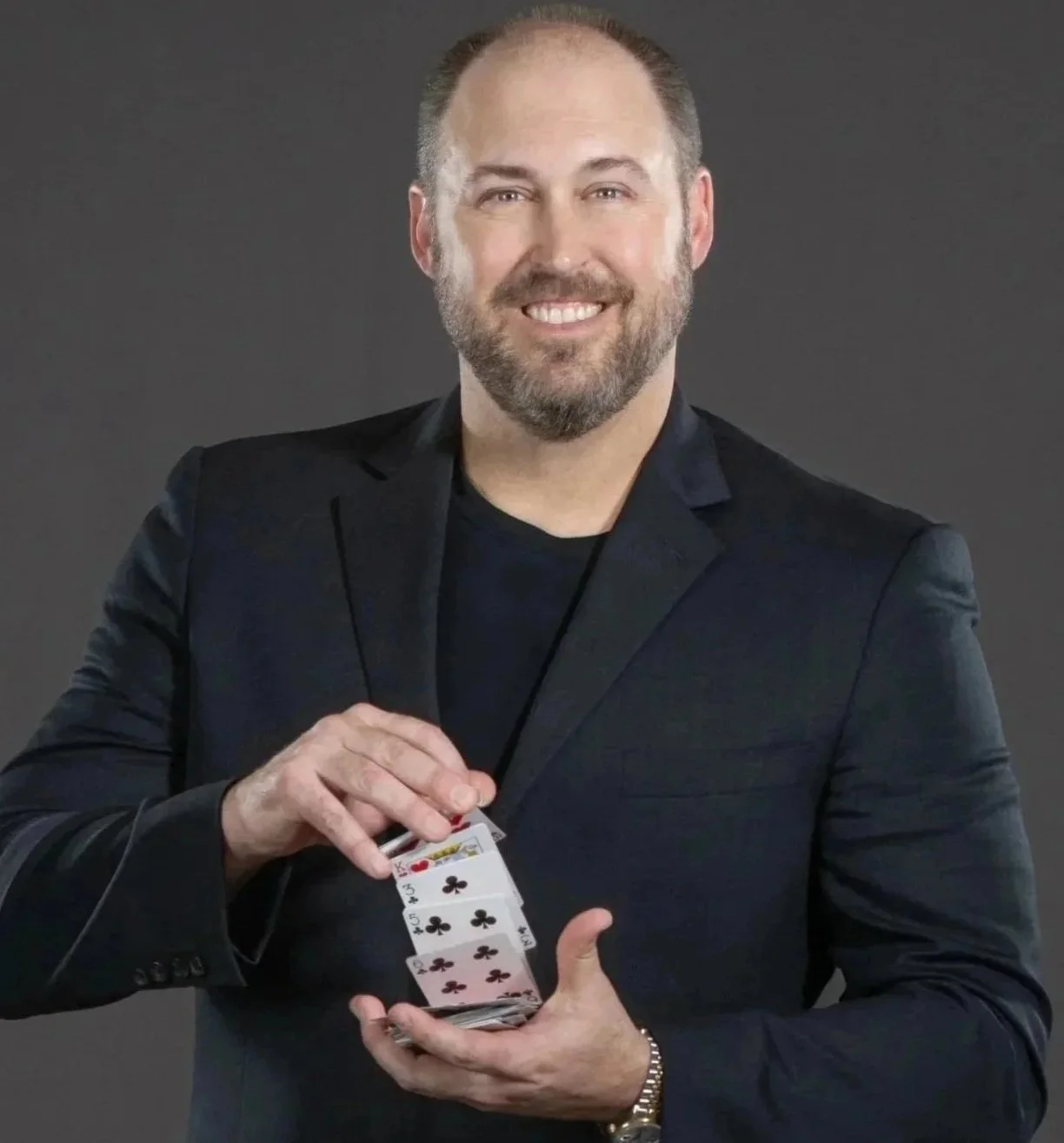
Jason Michaels is a keynote speaker, sleight-of-hand artist, and author based in Nashville, Tennessee. He grew up with Tourette Syndrome and built a career as one of the finest close-up performers in the world — a career requiring the kind of absolute precision his condition was supposed to prevent. He is President Elect of the International Brotherhood of Magicians and a member of Fechter’s Finger Flicking Frolic (4F), an invitation-only gathering of the world’s most respected sleight-of-hand artists.
He has appeared on Penn & Teller: Fool Us, delivered TEDx talks, and performed in more than 55 countries for Fortune 500 corporations, military leadership, and private audiences. He is the author of You Can Do the Impossible, Too! — a memoir about growing up with Tourette Syndrome and refusing to let it define the ceiling — and Tourette Warriors: Inspiring Stories of Resilience and Triumph, a collection of interviews with successful adults living with Tourette Syndrome, written for parents, educators, and the broader neurodiversity community.
To inquire about keynote availability, visit jasonmichaelsmagic.com or reach out at jm@jasonmichaelsmagic.com.
Book the Keynote
Bring this keynote to your organization.
Limited keynote dates are available each season. Tell Jason about your event and he’ll respond personally within 48 hours.
Prefer email?
Keynote Inquiry
A few details help Jason respond meaningfully. This is the beginning of a conversation, not a booking form.