
Neurodiversity · Keynote Speaking · HR & DEI
Most neurodiversity speakers talk about neurodiversity. Here’s what happens when someone demonstrates what’s possible through it — and why that distinction changes everything for your employees.
Jason Michaels | 7 min read | Neurodiversity | HR & DEI
After almost every keynote I deliver, someone finds me. Sometimes it’s right after — in the hallway, before I’ve had a chance to put down my notes. Sometimes it’s at the end of the event, when the room is clearing out. But it happens consistently, across industries and audience types and years.
They tell me they have Tourette Syndrome too. Or that they have anxiety, or ADHD, or dyslexia, or something that doesn’t have a clean name but has shaped their life in ways they’ve never quite said out loud in a professional setting. And they tell me that hearing my story — the specific, unvarnished version of what it cost me to build the career I wanted — made them feel seen in a way they hadn’t expected to feel at a corporate event.
That response is the most important thing I can tell you about what a neurodiversity keynote speaker actually does. Not the biography. Not the credentials. That moment — repeated, across years, in rooms full of people who spend their professional lives being careful about what they reveal — is the whole argument.
The distinction that changes everything.
There are two kinds of neurodiversity speakers.
The first kind talks about neurodiversity — the science, the statistics, the business case for cognitive inclusion, the frameworks for creating neurodiverse-friendly workplaces. This content is valuable and necessary. HR and DEI leaders need this information. But it lands in the head. It produces understanding. It rarely produces the other thing — the thing that changes how a person feels about their own life and their own possibilities.
The second kind speaks through lived experience — not as illustration, but as the entire architecture of the message. The neurodivergent condition is not a chapter in the talk. It is the through-line. The story of building something extraordinary in spite of — and, eventually, because of — a brain that works differently than most.
“I grew up with Tourette Syndrome. I built a career as a sleight-of-hand artist — a discipline that requires the kind of absolute physical precision that my condition was supposed to make impossible. The impossible is the point of the talk.”
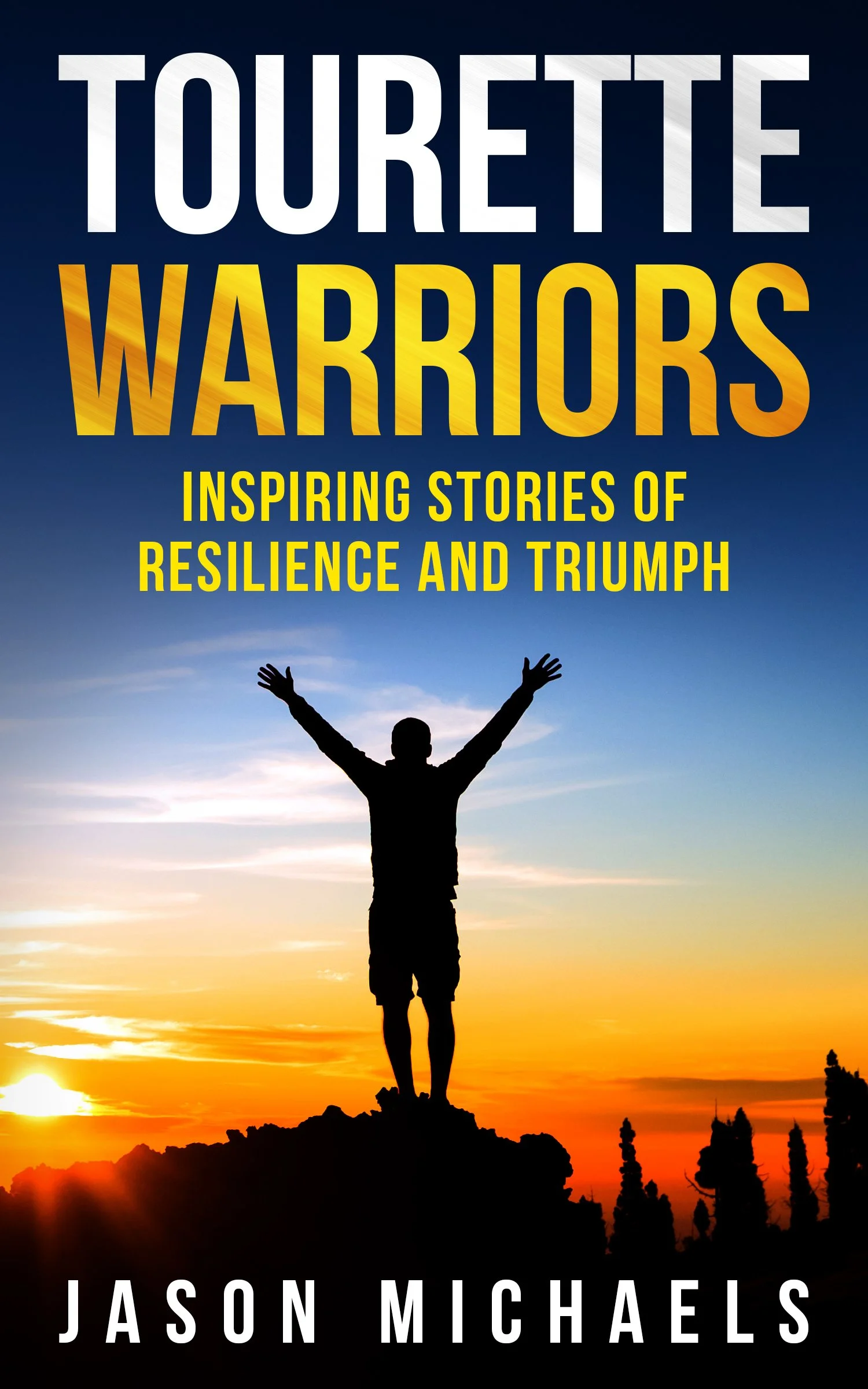
That story became a memoir — You Can Do the Impossible, Too! And then it became a second book. Tourette Warriors is a collection of interviews with successful adults living with Tourette Syndrome — because the most important thing about an impossible career is that it proves possibility to everyone watching. That book exists because the story doesn’t end with one person’s life. It extends into every person who needed to see that it could be done.
When an audience watches a world-class sleight-of-hand performance and then learns that the hands doing it belong to someone who spent years being told they couldn’t control their own body — the performance changes. It stops being impressive and starts being instructive. It becomes a live demonstration of the central argument: that the thing you’ve been told is your limitation is often the thing that makes your contribution irreplaceable.
What your employees are actually carrying.
Here is what HR and DEI leaders consistently underestimate about their employee populations: the number of people sitting in a corporate all-hands or a company conference who are managing something significant that nobody in their professional life knows about.
Not all of them have a diagnosis. Many do — ADHD, anxiety disorders, autism spectrum conditions, dyslexia, dyspraxia, Tourette Syndrome, OCD, and others that fall under the broad umbrella of neurodivergent experience. But many more have conditions that don’t have clean names: the kind of internal experience that shapes how they process information, manage stress, interact with colleagues, and navigate a workplace designed for a neurotypical majority.
Most of them have never said any of this in a work context, often because society reinforces stigma and misrepresentation around neurodivergent people. The professional incentives to stay quiet are real and rational. And so they perform a version of themselves that is slightly more contained, slightly more managed, slightly less whole than who they actually are.
A neurodiversity keynote speaker doesn’t just educate an audience about cognitive inclusion. They give the people who most need to hear it permission to stop performing. That permission — created by one person being specific and honest about a hard thing — is worth more than any policy change or training program you can implement.
After a recent keynote for the Mortgage Bankers Association of New Jersey, one attendee described it this way:
“Topics like this need to be made more normal in industries like ours. It’s not talked about enough and it’s time we kill the stigmas and create leaders and future leaders that have a deeper understanding of how to uncover the success in each person they lead.”
Why vulnerability changes the room differently than information does.
Corporate audiences are sophisticated consumers of information. They have sat through hundreds of presentations, keynotes, workshops, and training sessions. They know how to receive content professionally — attentively, appropriately, without being particularly changed by it.
Vulnerability works differently. When a speaker is genuinely specific about a genuine struggle — not as a before-and-after story with a tidy resolution, but as a real account of what it cost and what it required — the audience’s defenses lower in a way that information never triggers. People stop listening with the part of their brain that evaluates content and start listening with the part that recognizes experience.
This is why the moment after the keynote matters more than any moment during it. The person who finds me in the hallway and says “I have that too” is not responding to a statistic or a framework. They are responding to the specific, recognizable texture of a life lived with something that made ordinary things harder. And because someone on a stage was willing to say it out loud, they feel — sometimes for the first time in a professional context — that it is safe to acknowledge their own version of that experience, which matters for mental health as much as belonging.
That is psychological safety created not by policy but by example, and it cultivates a culture where employees feel safe disclosing their neurotype. And it is significantly more durable.
What this keynote actually creates in your organization.
The outcomes of a neurodiversity keynote done well are not theoretical. Here is what HR and DEI leaders consistently report after an event that genuinely moves their audience.
01 Employees who felt invisible become visible to themselves
The person with ADHD who has spent years apologizing for how their brain works hears a story about building mastery through a condition that was supposed to prevent it. Something shifts. Not because they were told they matter, but because they watched someone prove it.
02 Managers develop a different frame for difference
The most common management failure with neurodivergent employees is not malice — it is a missing frame. When a manager watches a keynote that recontextualizes what a brain that works differently can produce, they start asking different questions about the people on their team. That shift often strengthens problem-solving and creativity across teams.
03 Conversations that couldn’t happen before, happen after
The hallway conversations after a keynote like this are not incidental. They are the point. When employees start telling each other “I related to that too,” the organization learns something about itself that no survey or focus group would have surfaced. More inclusive environments for neurodivergent people also tend to improve workplace experience and can contribute to higher employee satisfaction.
04 Resilience becomes a concrete concept, not an abstract one
Every corporate audience has heard the word “resilience.” Very few have watched it demonstrated in real time — in the form of something genuinely impossible being done by someone for whom the word had a specific, personal, non-metaphorical meaning. That demonstration changes what resilience means for everyone in the room.
05 The DEI conversation expands beyond its usual boundaries
Neurodiversity is one of the least visible and most pervasive forms of human differences in the workplace. When it is addressed not as a category to be accommodated but as a dimension of human experience that has produced extraordinary things, the diversity and inclusion conversation becomes less about compliance and more about genuine inclusion, with workplace inclusion showing up more concretely in recruitment and accommodation for neurodivergent talent.
What makes this keynote different from every other resilience talk.
There are a lot of resilience keynotes. Most of them follow a recognizable arc: the speaker faced something hard, they found a way through, here are the principles that got them there. The content is often genuinely useful. The emotional impact rarely lasts past the parking lot.
The difference in a keynote built around a neurodivergent life is that the hard thing never fully goes away. Tourette Syndrome does not resolve. It is managed, worked around, incorporated — but the person on stage who is doing the impossible thing with their hands has been doing it in the presence of a condition that complicated every step of learning it. That is not a before-and-after story. It is an ongoing story. And ongoing stories land differently than resolved ones.
The magic is not a metaphor, either. It is a live demonstration. When the impossible happens in front of an audience that now understands what it cost — the applause is not for the trick. It is for what the trick means. And that kind of applause carries something out of the room with it.
Who this is for.
This keynote is designed for organizations that want to do more than acknowledge neurodiversity — they want to demonstrate what it looks like to build a culture where difference is genuinely valued rather than carefully managed.
It works across a wide range of contexts: corporate all-hands events and leadership summits, HR and DEI conferences, schools, colleges, and universities, association meetings, and any gathering where the audience includes people who have spent years being professionally careful about what they reveal about themselves. That makes it an especially impactful session for young people navigating the transition from school to work.
It is particularly powerful in rooms where the audience is skeptical of corporate wellness programming — where employees have heard enough inspirational content to have become quietly resistant to it. The combination of world-class sleight of hand and a genuinely specific personal story cuts through that resistance in a way that generic inspiration cannot, leaving audiences with practical insights and a memorable sense of what inclusive culture can look like.
About Jason Michaels
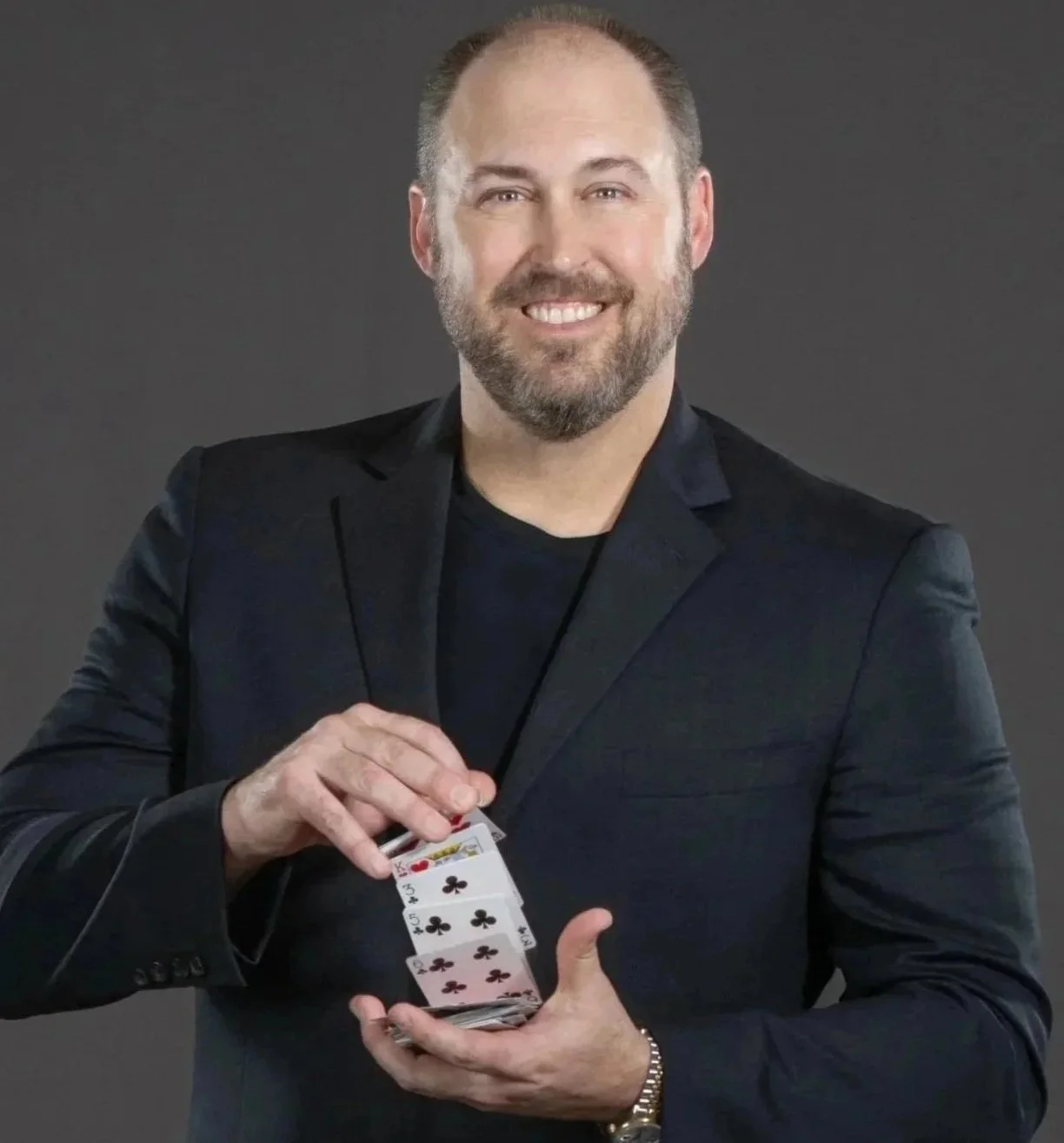
Jason Michaels is a keynote speaker, sleight-of-hand artist, and author based in Nashville, Tennessee. He grew up with Tourette Syndrome and built a career as one of the finest close-up performers in the world — a career requiring the kind of absolute precision his condition was supposed to prevent. He is President Elect of the International Brotherhood of Magicians and a member of Fechter’s Finger Flicking Frolic (4F), an invitation-only gathering of the world’s most respected sleight-of-hand artists.
He has appeared on Penn & Teller: Fool Us, delivered TEDx talks, and performed in more than 55 countries for Fortune 500 corporations, military leadership, and private audiences. He is the author of You Can Do the Impossible, Too! — a memoir about growing up with Tourette Syndrome and refusing to let it define the ceiling. He is also the author of Tourette Warriors: Inspiring Stories of Resilience and Triumph, a collection of interviews with successful adults living with Tourette Syndrome, written for parents, educators, and the broader neurodiversity community.
To inquire about keynote availability, visit jasonmichaelsmagic.com or reach out at jm@jasonmichaelsmagic.com.
BOOK THE KEYNOTE
Bring this keynote to your organization.
Limited keynote dates are available each season. Tell Jason about your event and he’ll respond personally within 48 hours.
Prefer email?
Keynote Inquiry
A few details help Jason respond meaningfully. This is the beginning of a conversation, not a booking form.