
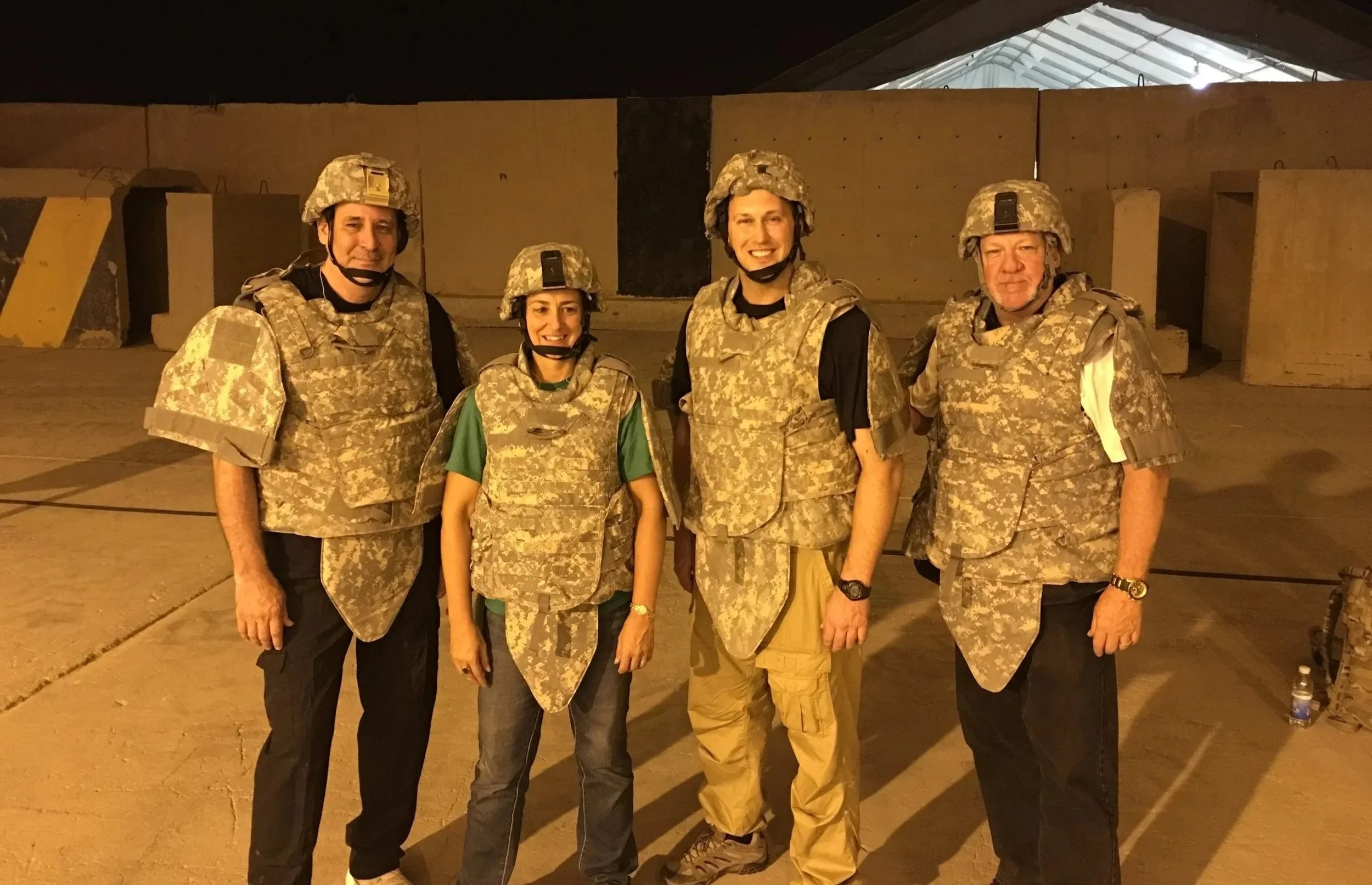
Veterans Day Events · Military ERG · Corporate Entertainment
For HR leaders and Veterans ERG coordinators planning meaningful military appreciation events: here’s why a keynote speaker who has actually been on the bases changes everything about what your veteran employees experience that day.
Jason Michaels | 7 min read | Veterans Day Events | Military ERG
Military audiences are trained observers. That is not a metaphor. It is a job requirement. The ability to notice what is happening, read a situation accurately, and make fast deductions under pressure is something service members develop through years of training and deployment. It is one of the most valuable skills a veteran brings to a corporate environment.
It also makes them the toughest audience a performer can face.
When I walk into a room full of veterans and pull out a deck of cards, I know what is coming. The skepticism is immediate, professional, and completely warranted. These are people whose training tells them that everything has an explanation and that finding it is their job. They are not going to be dazzled by a flash of misdirection. They are going to watch with everything they have.
And then, when something genuinely impossible happens in their hands — when the card changes and they cannot explain it, when a thought is read that they never spoke aloud — the tough exterior breaks. Not gradually. All at once. The biggest laughs, the loudest reactions, the most genuine eruptions of astonishment I have ever seen in twenty-five years of performing come from military audiences. And then they do something no other audience does quite so consistently: they drag their friends over and make them watch. Because they want someone else to have the same experience.
That response — the skepticism, the break, the insistence on sharing — tells you everything you need to know about how to build a Veterans Day corporate event that your veteran employees will actually remember.
The problem with most corporate Veterans Day events that fail to raise awareness.
Most corporate Veterans Day programming follows a recognizable pattern. A flag is displayed. A slide deck acknowledges service. A catered lunch is provided. Someone from HR gives a brief speech. The veteran employees attend, appreciate the intention, and return to their desks knowing that the company thought about them today.
That is acknowledgment. It is not recognition. And veteran employees — people who have operated in environments where the difference between genuine and performative matters significantly — feel that distinction immediately.
The challenge for an HR leader or Veterans ERG coordinator who wants to do better is not effort. Most companies are making real efforts. The challenge is knowing what genuine recognition actually looks like in a room — what produces the specific feeling, in a veteran employee, of being seen rather than thanked.
“A veteran employee who watches a keynote delivered by someone who has actually been on the bases — who has performed on 100+ military installations across 55+ countries, who understands what it means to be far from home doing something that matters — is not having the same experience as a veteran employee who watches a generic motivational speaker talk about leadership principles. The difference is not the content. It is the credibility behind it.”
That credibility — the specific, earned authority of someone who has been in those environments and genuinely understands what service members experience — is what makes a Veterans Day event feel like recognition rather than acknowledgment. And it is almost impossible to manufacture through good intentions alone.
What eleven years on military bases actually produces.
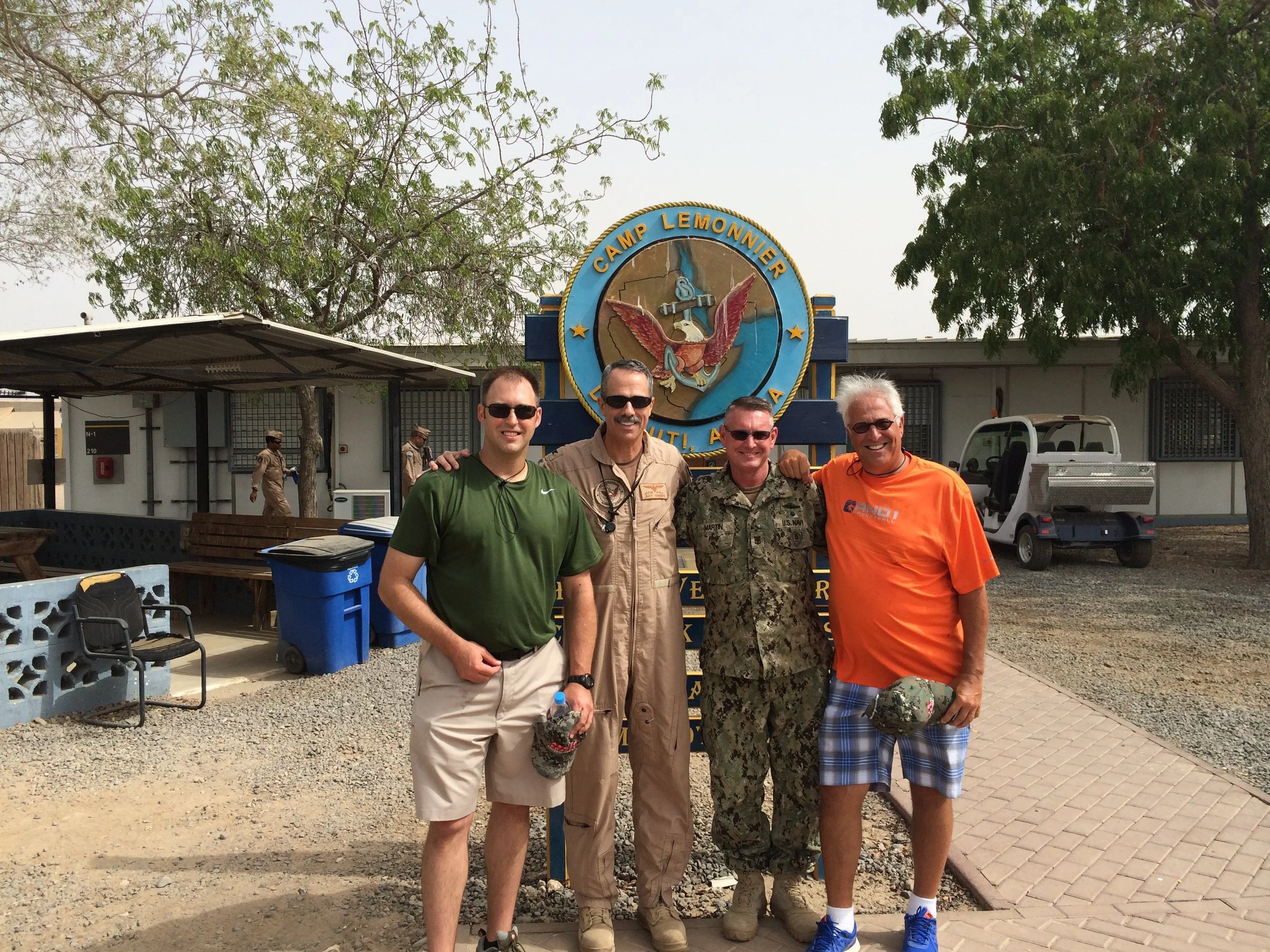
I have performed close-up magic and delivered keynotes on more than 100 military bases across more than 55 countries over eleven years. I have been in conflict zones, in desert outposts, in bases so remote that the closest city is a multi-hour drive. I have performed for troops the night before operations, for soldiers who had not seen anyone from home in months, for audiences where the only thing anyone wanted was two hours of feeling like they were somewhere familiar.
That experience produces something that no amount of preparation can replicate: a genuine understanding of what military service actually costs, what it looks like from the inside, and what it means to the people who have chosen it. When I speak to a room of veteran employees at a corporate event, I am not speaking about the military. I am speaking from inside an experience that I have shared, in a different way, with every veteran in the room.
They know the difference. Immediately. And that recognition — the moment a veteran employee realizes that the person on stage has actually been there — is the moment a Veterans Day event stops being a program and starts being genuinely meaningful.
The most important thing a Veterans ERG coordinator can do when planning a military appreciation event is ask a simple question: does the person we are booking actually know our veteran employees’ world, or do they just know how to speak respectfully about it? The answer to that question determines the difference between an event that produces polite appreciation and one that produces genuine recognition.
Why close-up magic is the personal layer that changes everything.
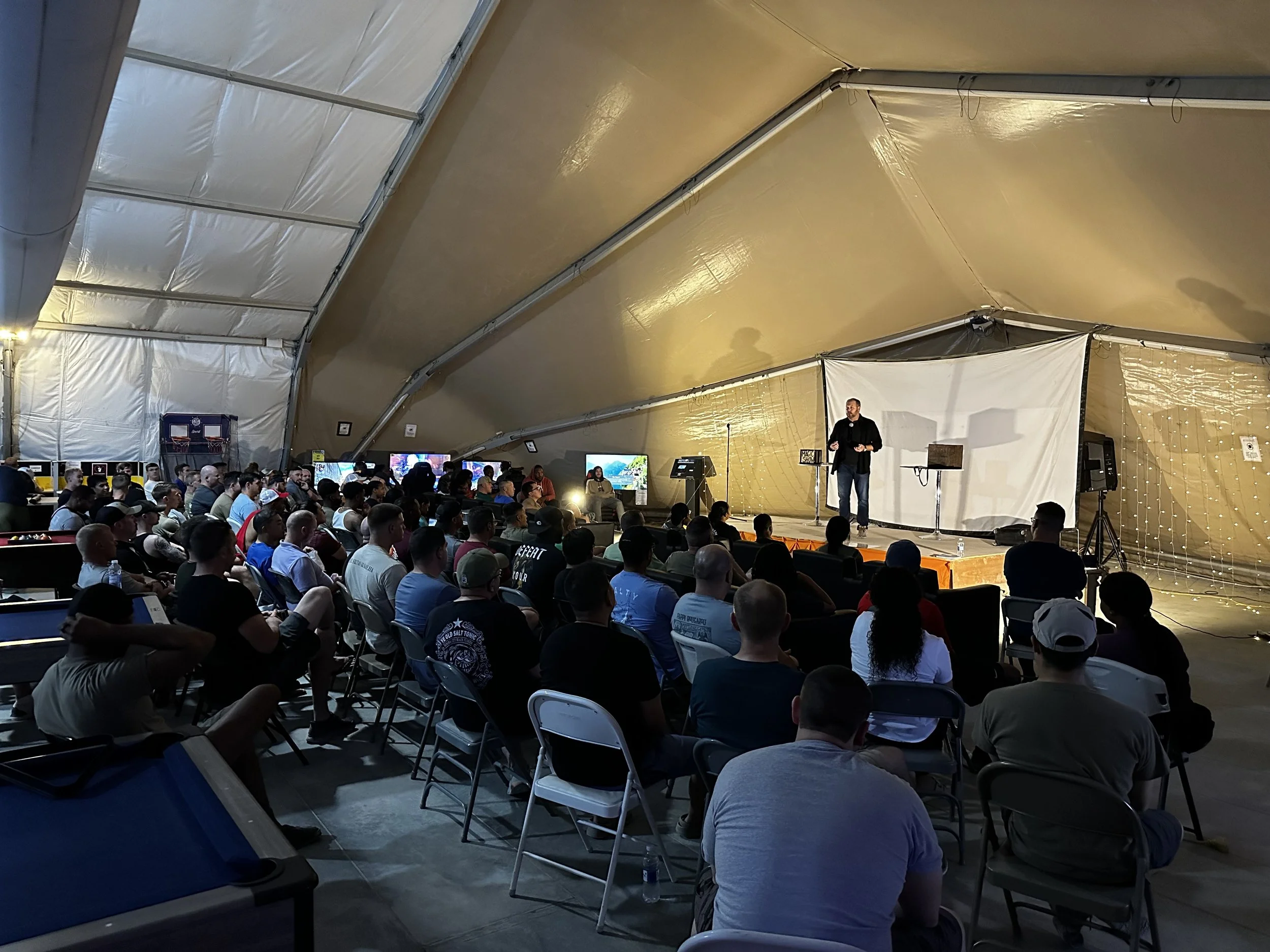
A keynote delivers a message to a room. Close-up magic delivers an experience to a person. For a Veterans Day corporate event that wants to do both — inspire the room and connect with each individual — the combination of keynote and close-up magic during the reception or dinner is the most powerful format available.
Here is what happens when a room full of veteran employees encounters close-up magic performed by someone who has spent eleven years performing for military audiences. The initial skepticism is real and it is earned. Veterans do not soften their critical faculties because the setting is social. They watch carefully, they look for the explanation, and they bring the same observational discipline to a deck of cards that they brought to their professional responsibilities.
And then the card changes in their hand. And the exterior breaks. And the laughter that comes out — loud, genuine, unguarded — is the sound of a highly trained observer encountering something that defeated their training. That sound is not just a reaction. It is a form of relief. The permission to be surprised, to not have the answer, to experience something without needing to explain it. That permission is rare for people who have spent their careers in environments where having the answer matters.
And then they drag their colleagues over. Because that experience — the specific astonishment of a trained observer whose training failed them — is something they immediately want to share. That impulse, across an entire room of veteran employees, is what turns a Veterans Day reception into an evening that becomes part of the company’s culture.
Where it works across a corporate military appreciation event for military families.
A Veterans Day corporate event or military appreciation program has multiple distinct moments. Here is where keynote speaking and close-up magic fit naturally at each stage.
01 Veterans Day Keynote for the Full Company
A keynote delivered to the entire organization — veteran and non-veteran employees together — helps celebrate service across the company and build a stronger sense of community. Not a generic leadership talk with military references. A keynote built from eleven years of performing alongside service members in environments that demanded everything they had, often weaving in stories that deepen understanding and respect. For non-veteran employees, it builds real understanding. For veteran employees, it builds something rarer: the feeling of being genuinely seen.
02 Veterans ERG Reception and Appreciation Dinner
The ERG reception or appreciation dinner is where close-up magic produces its best results. A smaller group of veteran employees and their guests, in a more intimate setting, where the magic moves through the room person by person. The skepticism is there. The break is there. And when it happens — when the card changes and the laughter erupts and someone grabs a colleague to come watch — the room becomes something that no catered lunch or PowerPoint presentation can produce. A shared, personal, genuinely surprising experience that every person in the room had individually.
03 Military Appreciation Month Programming
For companies that extend their military recognition beyond a single Veterans Day event — a full month of programming in November or May — a keynote early in the month sets the tone and a close-up magic reception later in the month gives veteran employees a reason to stay engaged with the programming rather than attend the first event and disengage. The two formats create a narrative arc across the month rather than a single isolated gesture.
04 Leadership Conference with Veteran Audience
For companies whose leadership ranks include a significant proportion of veterans — defense contractors, aerospace companies, government services firms, financial institutions with strong military hiring programs — a combined keynote and close-up magic format at a leadership conference creates exactly the right energy. The keynote delivers the resilience message. The magic demonstrates it live. And the veteran leaders in the room, who started skeptical and ended erupting with laughter, carry both experiences back to their teams.
05 Veteran Employee Recognition Ceremony
For formal recognition ceremonies — the kind that honor years of service, acknowledge specific achievements, or mark transitions from active duty to civilian career, including when recognizing women veterans — close-up magic during the reception before or after dinner gives the evening a warmth and humanity that formal ceremony alone rarely produces. A veteran who is being recognized professionally and also has something impossible happen in their hands personally leaves the evening with two distinct memories of feeling genuinely celebrated.
What HR leaders and ERG coordinators need to know about military veterans.
If you are planning a Veterans Day event, a military appreciation program, or a veteran employee recognition gathering, the practical question is straightforward: what do you want your veteran employees to feel when they leave? The best planning starts with creative ways to help people participate meaningfully rather than just attend.
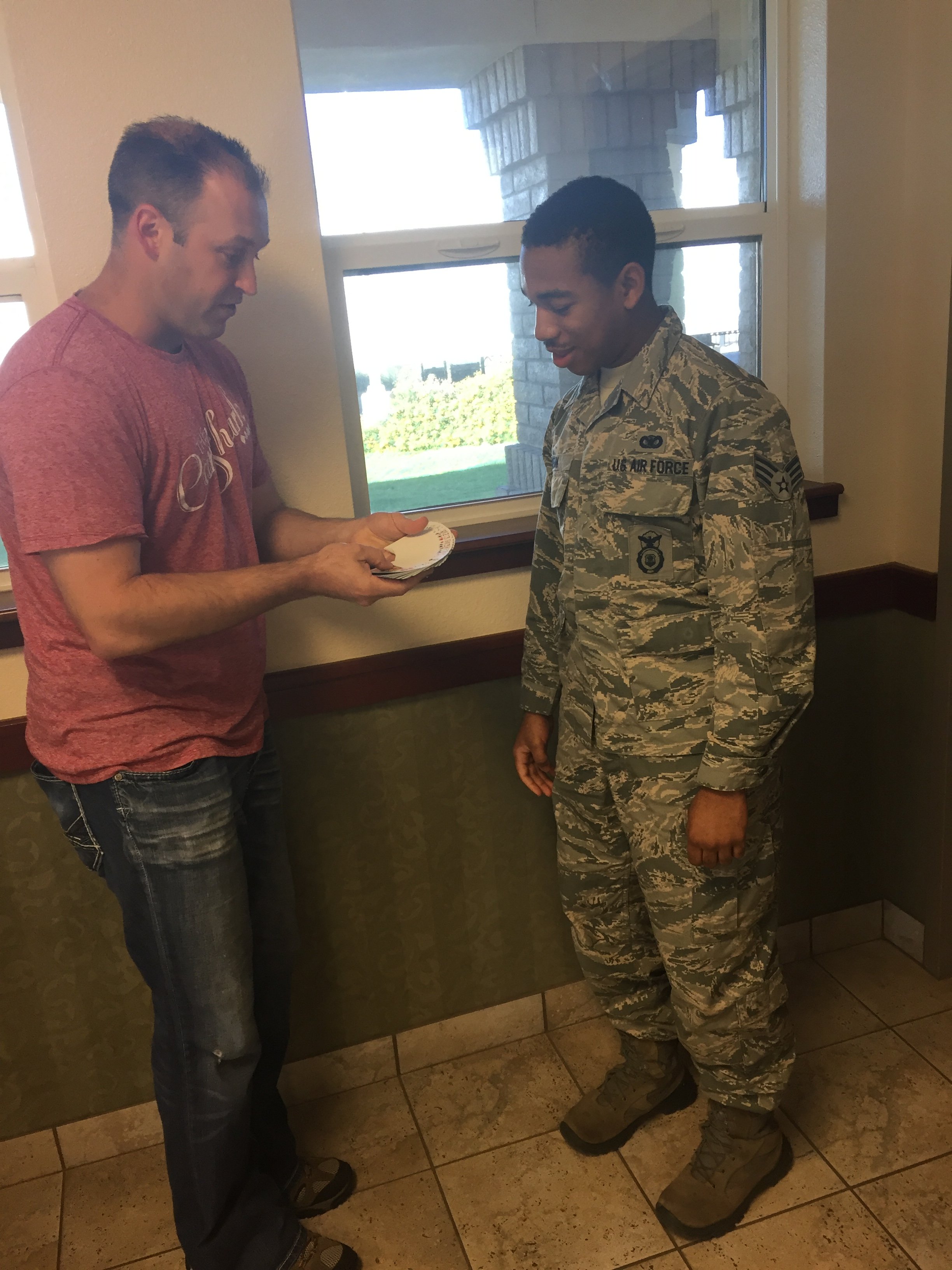
If the answer is appreciated — genuinely, specifically, personally appreciated in a way that reflects actual understanding of what their service meant — then the entertainment and speaker choices need to be made with that standard in mind. A generic motivational speaker with military themes does not meet that standard. A catered lunch with a flag display does not meet that standard. What meets that standard is someone who has been there, who knows the world your veteran employees came from, and who can speak to them from inside that experience rather than from a respectful distance outside it. That kind of program can also support broader goals, whether you are recognizing your own people or honoring local veterans through a community-facing event.
Close-up magic adds the personal layer that keynotes cannot provide on their own. It gives each veteran employee an individual moment — not as part of an audience, not as a recipient of a program, but as a person whose trained skepticism was defeated by something genuinely impossible in their own hands. That moment, for a veteran, is not just entertaining. It is a small echo of the feeling they know from the field: that the world is more extraordinary than any training fully prepares you for.
That feeling, created by a performer who has spent eleven years earning it on military bases around the world, is what a Veterans Day corporate event can give your veteran employees that a catered lunch never will.
MILITARY ENTERTAINMENT
Close-Up Magic and Keynotes for Military Events — Jason Michaels
100+ military bases. 55+ countries. 11 years. World-class sleight of hand and resilience keynotes for military balls, base events, and corporate military appreciation programs.
LEARN MORE ➡
About Jason Michaels
Jason Michaels is a keynote speaker, sleight-of-hand artist, and author based in Nashville, Tennessee. He has performed close-up magic and delivered resilience keynotes on more than 100 military bases across more than 55 countries over eleven years — including conflict zones and remote deployments. He is the International President of the International Brotherhood of Magicians and a member of Fechter’s Finger Flicking Frolic (4F), an invitation-only gathering of the world’s most respected close-up performers.
He has appeared on Penn & Teller: Fool Us, delivered TEDx talks, and been featured in The New York Times. He is the author of You Can Do the Impossible, Too! — a memoir about growing up with Tourette Syndrome and building a career that requires absolute precision.
To inquire about Veterans Day events, military appreciation programming, and Veterans ERG entertainment, visit jasonmichaelsmagic.com or reach out at jm@jasonmichaelsmagic.com.
Book Your Event
Give your veteran employees an event that actually earns it.
Keynote plus close-up magic for Veterans Day events, military appreciation programs, and ERG gatherings. Tell Jason about your event and he’ll respond personally within 24-48 hours.
Prefer email?
Veterans Event Inquiry
A few details help Jason respond meaningfully. This is the beginning of a conversation, not a booking form.