
Wine Tastings · Private Wine Events · The Craft
From Douro Valley port cellars to private collector dinners and winery estate events, here’s why world-class sleight of hand pairs perfectly with fine wine — and what happens when both are in the same room.
Jason Michaels | 7 min read | Wine Tastings | Private Wine Events | The Craft
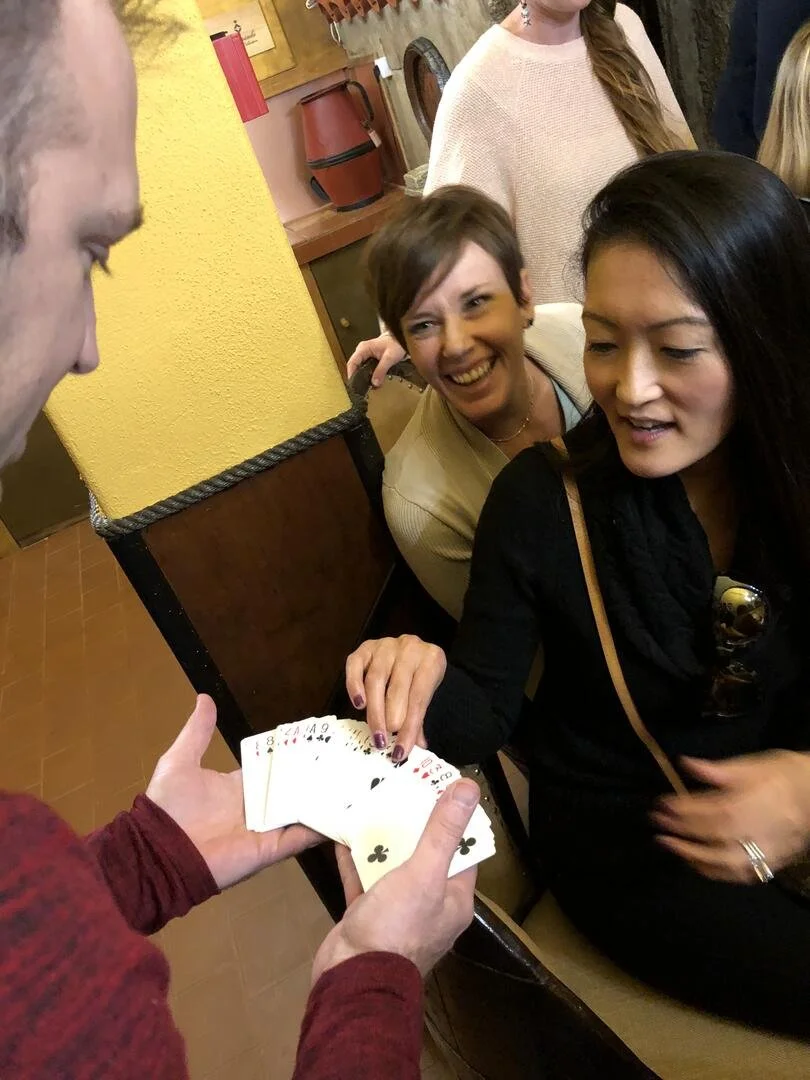
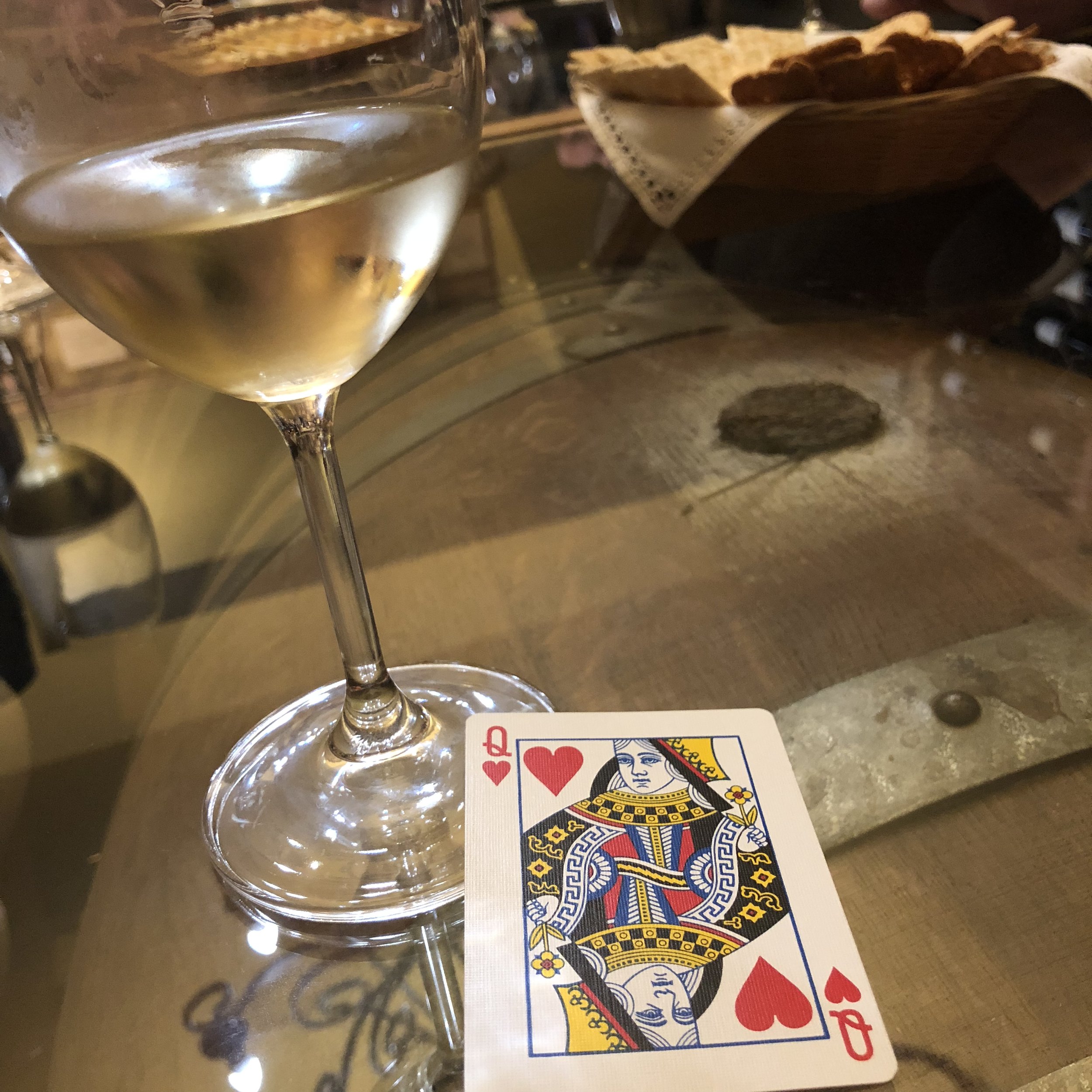
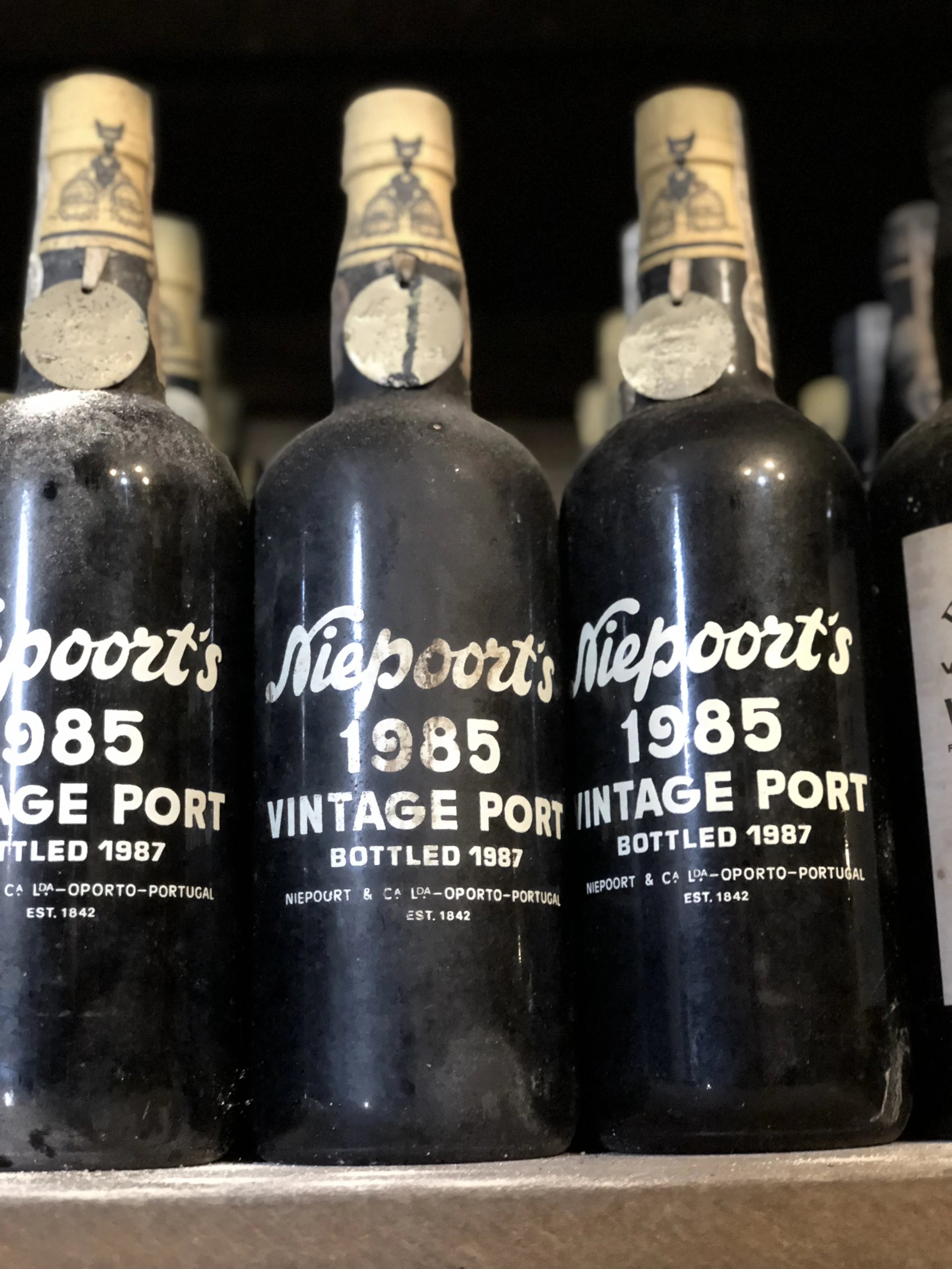
We were seated at a long table in Portugal, working through a flight of port wines. Small bites of charcuterie arrived between courses. The setting was exactly right — unhurried, attentive, the kind of gathering that takes its pleasures seriously.
The hostess leaned over at one point and asked whether I would be willing to perform some close-up magic for the group. I started at the head of the table and moved from person to person, performing for each guest in a way that commanded the whole room’s attention — everyone watching, everyone experiencing it, the magic moving through the table the way a good wine moves through a conversation.
They absolutely loved it. And it paired perfectly with the wines.
Later, someone asked if I could perform in the wine cellar itself. I walked down stone steps into the cool of the adega — bottles stacked floor to ceiling, the particular silence of a space where something has been aging for a long time — and pulled out a deck of cards. What happened in that cellar was one of the most memorable performances I have given anywhere in the world. Not because of the magic. Because of where the magic happened, and what the room already was before I arrived.
What wine and sleight of hand have in common.
The comparison between fine wine and world-class close-up magic is not a marketing analogy. It is a structural truth about what both disciplines actually are and what they require of the people who encounter them.
A great port wine is not made quickly. It is the product of vines that have been growing in terraced schist for decades, harvested by hand, fortified with care, and aged in barrel and bottle for years before anyone tastes it. The complexity in the glass — the layers that reveal themselves slowly, the finish that changes as the wine breathes — is the accumulated result of time, craft, and the specific intelligence of knowing when to act and when to wait. The finished experience looks effortless. The knowledge behind it is not.
World-class sleight of hand is built the same way. A move that looks effortless in performance — that happens in plain sight, inches from the spectator’s face, and still cannot be followed — is the product of years of daily practice, study, and performance in front of audiences close enough to catch every mistake. The finished performance looks simple. The knowledge behind it is not.
“The people who care deeply about fine wine are already fluent in the language of craft. They know what something made at the absolute limit of human skill tastes like. When they encounter that same quality in a sleight-of-hand performance — happening right in their hands, at the same table where they just tasted something extraordinary — the recognition is immediate and the response is proportional.”
This is why wine tastings, estate dinners, and private cellar events are among the finest settings a close-up performer can work. The audience arrives already in the right state of mind: attentive, present, curious, patient. They have already given themselves permission to slow down and experience something carefully. All the magic has to do is meet them there.
Why the tasting table is the perfect stage.
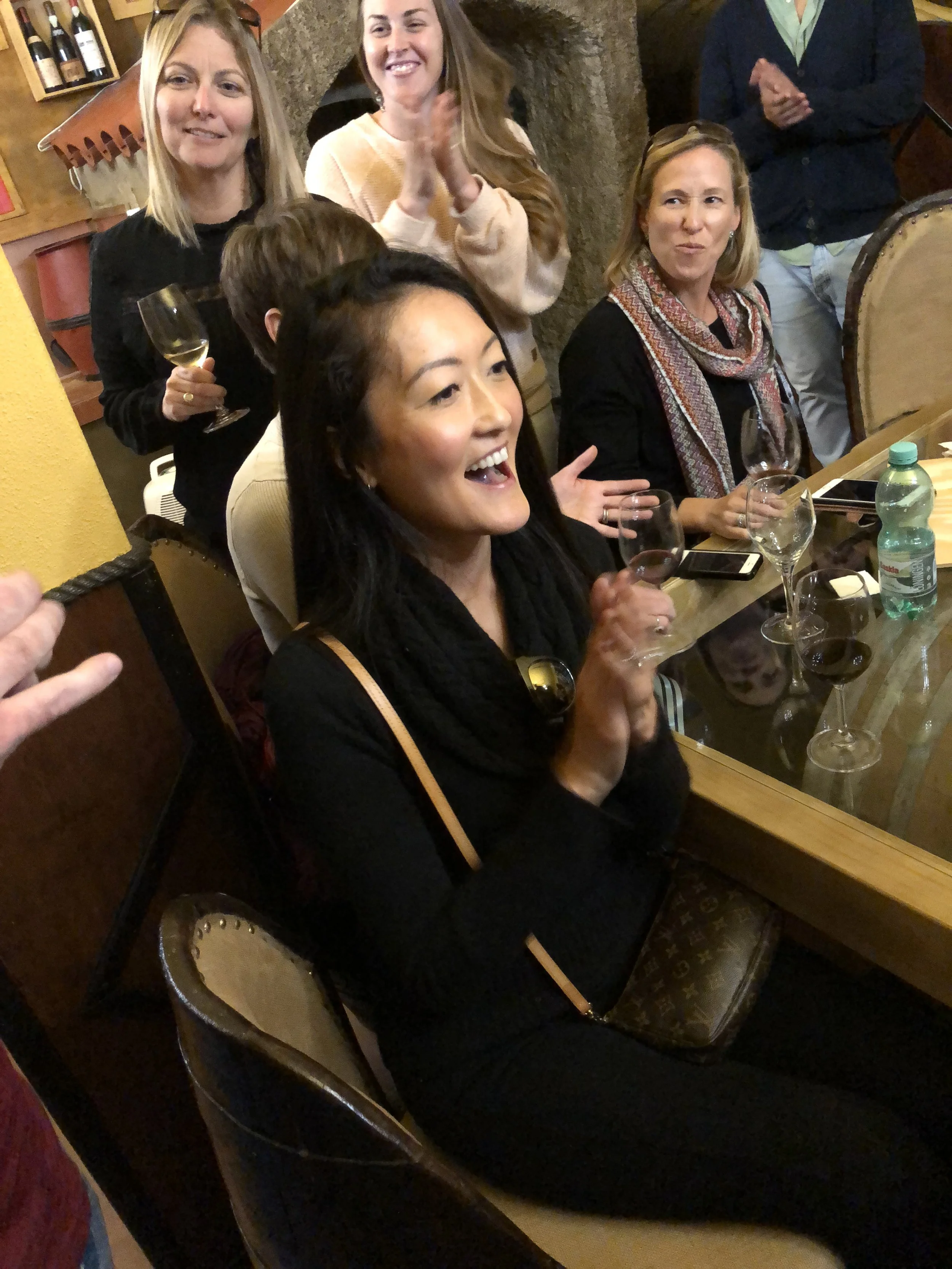
The formal wine tasting table has a specific structure that makes it one of the most naturally suited settings for close-up magic in the world. Everyone is seated. Everyone is facing the same direction. Everyone has already agreed, by being there, to pay close attention to something that rewards careful observation. The same setup also works well for a blind tasting.
When a sleight-of-hand artist moves down that table — performing for each person individually while the whole room watches — the experience is both intimate and collective simultaneously. The person whose hands the magic happens in gets the private version: the card they chose, signed, and cannot explain. Everyone watching gets the shared version: the reaction, the eruption, the infectious astonishment of watching someone else encounter the impossible for the first time. Using a different wine glass for each pour can sharpen the distinctions guests notice as the experience unfolds.
That dual experience — personal and communal at once — is not something a stage show can produce. It requires the format of the tasting table. It requires the close proximity, the shared attention, the already-established intimacy of people seated together around something they care about.
The hostess at that Portugal tasting did not plan for close-up magic. She recognized, in the middle of the evening, that the room was exactly right for it. That recognition — that this was the natural next thing — is what the best wine events produce. A room so perfectly calibrated that the extraordinary feels inevitable rather than surprising.
The wine cellar and what it proved.
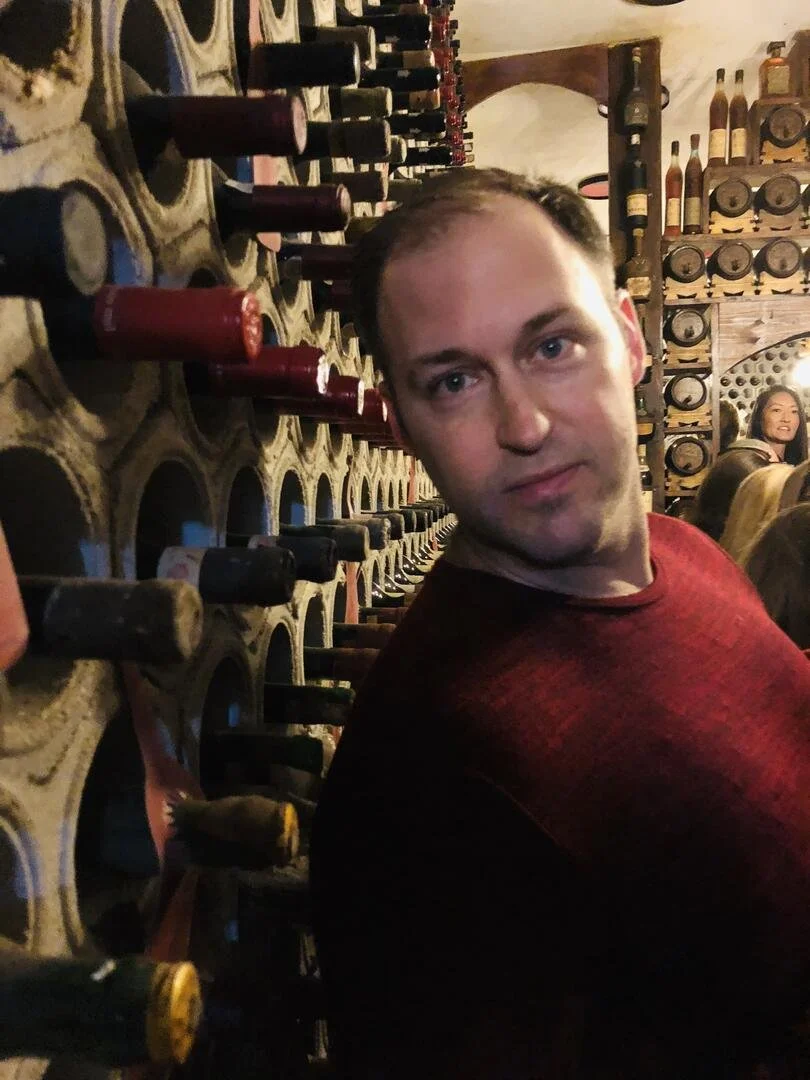
The performance in the adega was unplanned. Someone asked, on impulse, whether magic was possible in that setting. The honest answer was that it was not just possible — it was the right room.
A wine cellar is already a space built around the idea that extraordinary things happen slowly, in the dark, over time. The bottles on those stone walls are not decoration. They are evidence — of years of patience, of craft applied consistently in conditions most people will never see. Standing in that environment with a deck of cards and making something impossible happen in someone’s hands produces a specific kind of resonance that no other venue can replicate.
The cool air, the stone, the silence, the weight of what was aging on all sides — all of it became part of the performance. Not as metaphor. As setting. The magic did not compete with the cellar. It completed it.
That is the specific gift that close-up magic brings to a wine event. It does not need to import atmosphere from somewhere else. It reads the atmosphere that is already there and finds the moments within it. In a wine cellar in Portugal, those moments were everywhere.
Where it works around the world of fine wine.
Premium wine culture produces some of the most naturally receptive audiences for close-up magic in the world. Here is where it fits across the full range of wine events.
01 Private Wine Tastings and Collector Dinners
A seated wine tasting — whether a structured flight of a single producer’s wines or a vertical of great vintages — usually works best in small groups with five to seven wines, creating exactly the right conditions for close-up magic at the table. The audience is already attentive, already present, already in the mode of careful observation that the best close-up magic requires. A sleight-of-hand performance moving down the table between pours creates a shared experience that anchors the evening in memory long after the last glass is finished. Larger tasting event formats often aim for eight to ten different wines.
02 Winery Estate Events and Harvest Dinners
The estate harvest dinner — held in a barrel room, a cave, or on a terrace overlooking the vineyard — is one of the most atmospheric event formats in the wine world. Close-up magic working through the evening gives guests a second extraordinary thing to carry home alongside the wine they discovered. For winemakers and estate owners hosting collectors and press, that combination creates the kind of evening people write about and recommend to others for years afterward.
03 Corporate Wine Events and Client Appreciation Dinners
For companies that host wine events for top clients — the private sommelier dinner, the allocated-wine release evening, the client appreciation tasting at a premier winery — hiring a sommelier enhances the wine tasting experience, and close-up magic elevates the occasion from a product experience into a genuine event. A sommelier can tailor wine selections to guests’ preferences and add an educational component through guided commentary. Guests leave talking about the evening, not just the wines. That association — between the company and an evening where something extraordinary happened — is the entire point of client entertainment at this level.
04 Wine Festival and Trade Event Hospitality
At Vinexpo, Decanter, the Wine Spectator Grand Tour, or any major wine event, brand hospitality suites compete for the attention of buyers and collectors who have been tasting for hours. A close-up performer working the hospitality suite creates a reason to stay, a reason to come back, and a reason to tell the story of one producer’s table over every other. In a world where the wines are often equally extraordinary, the experience around the wines is what differentiates.
05 Private Cellar and Cave Experiences
For collectors who host private events in their own cellars, or for estates that offer cellar experiences as part of their hospitality program, close-up magic in that specific environment creates something that cannot be replicated anywhere else. The setting does half the work. The magic does the other half. What happens in a private wine cellar — in the cool and the quiet, surrounded by decades of aging bottles — belongs to that room and no other.
Why wine audiences are the best audiences.
There is a quality that serious wine people share that makes them among the finest audiences for close-up magic: they know how to pay attention. Not the performative attention of people trying to appear engaged, but the genuine, focused, curious attention of people who have trained themselves to notice things. Tannins. Finish. The specific mineral quality that distinguishes one terroir from another. The moment a wine opens up in the glass and becomes something different from what it was twenty minutes ago.
That quality of attention is exactly what close-up magic at the highest level is designed to defeat. The impossibility does not happen because the audience is not watching. It happens because they are watching as carefully as they know how to, and still cannot catch it. The better the audience’s attention, the more complete the impossibility. The more the defeat of that attention lands as genuine astonishment rather than polite surprise.
A table of serious wine people is a table of people who trust their own senses and their own judgment. When something impossible happens in their hands — when they have examined the deck, chosen the card, watched every moment, and still cannot account for what occurred — the reaction is not the laughter of people who were caught off guard. It is the deeper, more satisfying response of people who applied everything they had and were still beaten by something that transcended their understanding.
That response is worth more than any standing ovation.
What event hosts and sommeliers need to know.
If you are planning a private tasting, an estate dinner, or any premium wine event and you are thinking about the entertainment element, the practical reality is straightforward.
Close-up magic at this level requires almost nothing logistically. No stage, no production, no technical setup. A brief conversation before the event about the guest list and the flow of the evening is all that is needed. A world-class close-up performer reads a wine event the way a skilled sommelier reads a room — knowing when to arrive, when to withdraw, when the moment is right and when it belongs to the wine.
What it gives you in return is an evening that your guests remember independently of the wines. Not instead of them — alongside them. The bottle they discovered that night becomes the bottle they associate with the evening where something extraordinary also happened. That association deepens both memories. The wine and the magic become part of the same story.
In Portugal, walking down stone steps into a cellar of aging port, that story wrote itself. All I did was show up with a deck of cards and find the moments that were already there.
About Jason Michaels
Jason Michaels is a sleight-of-hand artist, keynote speaker, and author based in Nashville, Tennessee. He is President Elect of the International Brotherhood of Magicians and a member of Fechter’s Finger Flicking Frolic (4F), an invitation-only gathering of the world’s most respected close-up performers. He has appeared on Penn & Teller: Fool Us and has been featured in The New York Times. Over twenty-five years, he has performed in more than 55 countries for private clients, Fortune 500 corporations, military leadership, and luxury brand events — including private wine events in Portugal and across Europe.
He is the author of You Can Do the Impossible, Too! — a memoir about growing up with Tourette Syndrome and building a career that requires absolute precision.
To inquire about wine events and private entertainment, visit jasonmichaelsmagic.com or reach out at jm@jasonmichaelsmagic.com.
Book Your Event
Make your wine event the one they still talk about.
Limited dates available each season. Tell Jason about your event and he’ll respond personally within 24 hours.
Prefer email?
Wine Event Inquiry
A few details help Jason respond meaningfully. This is the beginning of a conversation, not a booking form.