
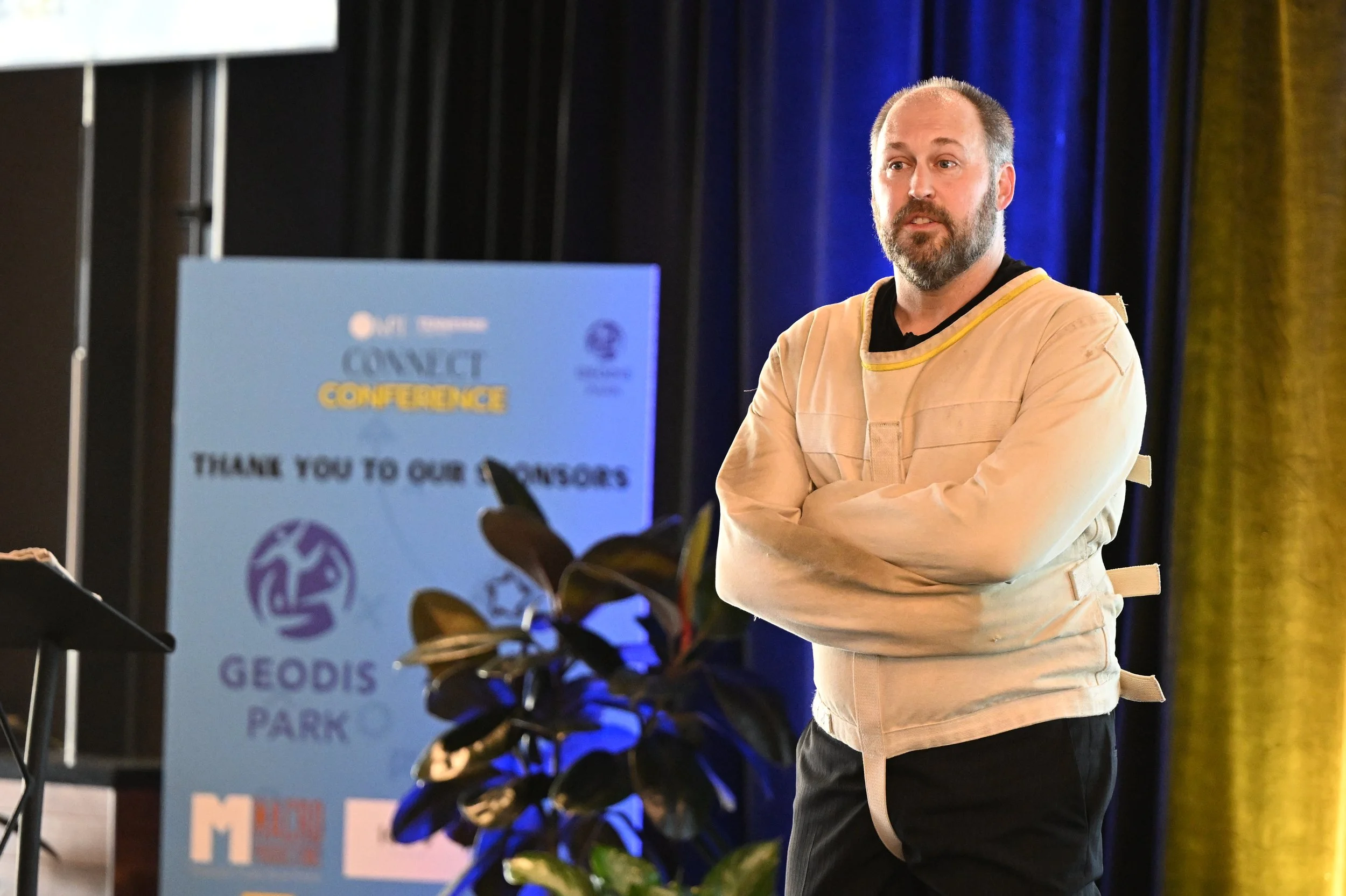
The Keynote Speaker Who Performs Magic: The Keynote They'll Still Be Talking About at Lunch
Every event planner knows the moment. The keynote speaker finishes, the applause is polite, and by the time the coffee refills come around, nobody can remember a single thing that was said.
It isn't that the speaker was bad. Most keynotes are perfectly fine. The trouble is that "fine" doesn't change anything, and you didn't fly 600 people to a ballroom for fine.
That's the case for a keynote speaker who performs magic: a real keynote with a real message, where live magic happens a few feet from the audience and visually proves the point so people remember it. Not a magic show with a motivational ending tacked on, and not a speech with a card trick for decoration. For event planners and organizations that need a keynote to land with professional audiences — healthcare teams, finance groups, military audiences, sales organizations, and corporate leaders — that difference matters.
What follows looks at how a magician keynote speaker uses interactive, world-class magic to teach ideas like resilience and leadership, which audiences respond best to that format, and what to ask before hiring one.
Why most keynotes fade by the drive home
Audiences don't forget keynotes because they weren't paying attention. They forget because nothing gave the message somewhere to land.
Think about the last conference you attended. You probably remember a moment more than a message: a story that caught you off guard, a joke that landed, the person next to you who gasped. Memory sticks to surprise and emotion. Slides and bullet points slide right off.
That's the gap a magician keynote speaker fills. Magic is surprise in its purest form, rooted in psychology, and that surprise helps people retain the keynote's core themes. When a borrowed object vanishes from someone's hand and reappears where it couldn't possibly be, the room doesn't just watch. It reacts. And whatever idea is attached to that moment rides along with it, long after the event wraps.
What a motivational keynote speaker and magician actually does
Here's the distinction that matters: in a great magic keynote, the magic is proof, not decoration.
A lot of corporate magicians can do a few tricks and say something inspiring afterward. That's entertainment, and there's a place for it. But if you're booking a keynote, you need the message to carry the weight. The magic should make that message visible, so the audience doesn't just hear an idea. They watch it happen, and that shift in perception is often why the lesson lasts.
When I talk about resilience, I'm not asking an audience to take my word for it. I show them what years of practice, failure, and persistence look like when they finally pay off, right in front of them. The sleight of hand isn't a break from the message. It is the message, made physical, with communication and leadership takeaways people can apply at work. Understanding perception also helps leaders connect with their teams.
That's what separates a true keynote speaker and magician from a magician who happens to own a microphone. The structure is a keynote presentation. The story is real. I craft the experience for your company or industry, so it fits the audience's goals. The magic is the moment it all clicks.
Inside a resilience keynote with live magic
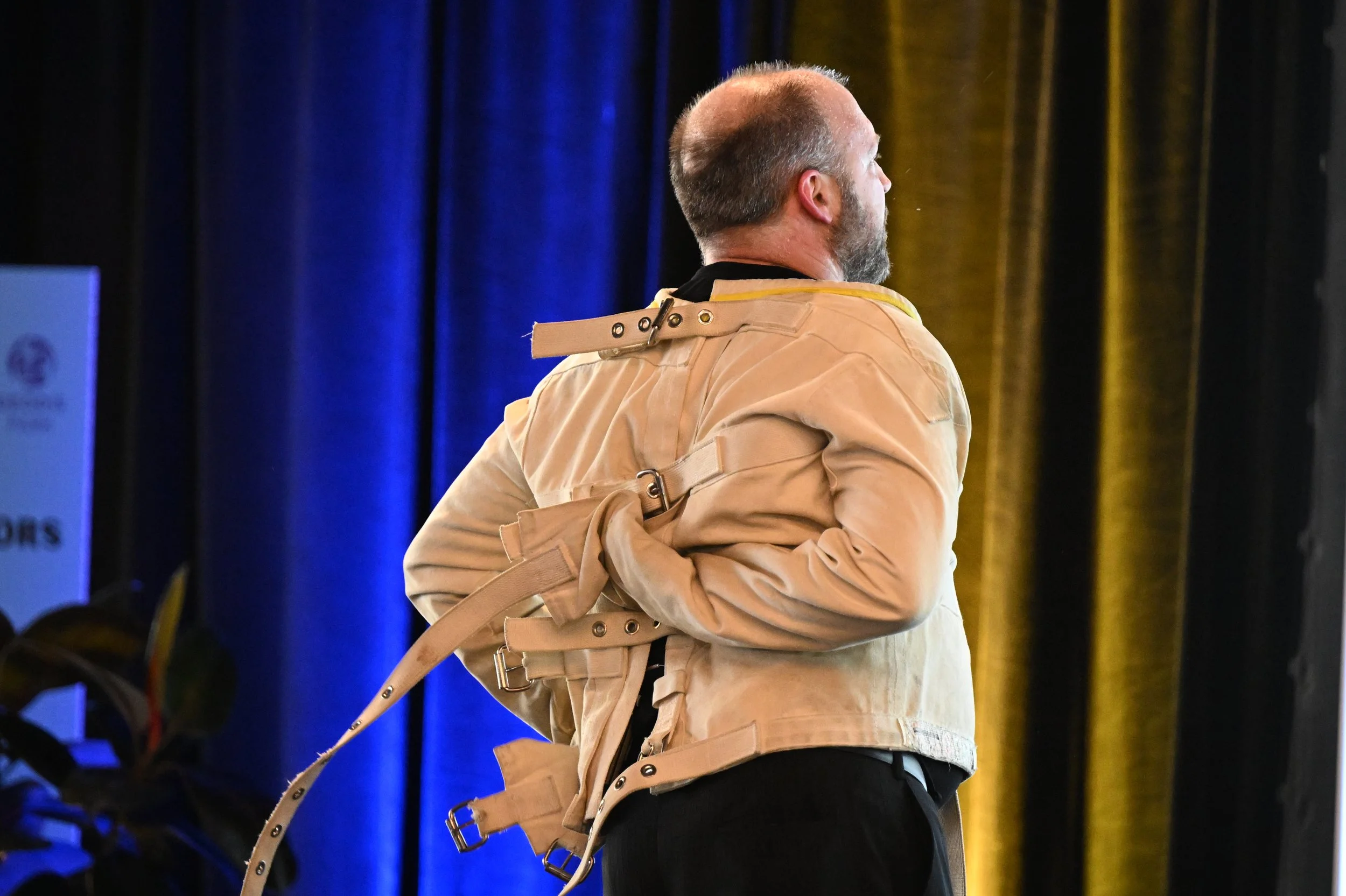
My flagship program is a resilience keynote, and it starts with a story I didn't choose; I also offer other speaking topics, with each keynote speech tailored to an organization's goals, including Making Magic and Your Work Matters. I've lived with Tourette Syndrome my whole life. For a long time, the thing that made me different felt like the thing that would hold me back.
Then, at 16, I walked into a magic shop. Sleight of hand demands precise, controlled movement, which is a strange career choice for someone whose body doesn't always take instructions. I chased it anyway. Decades later, that same pursuit took me to the stage of Penn & Teller: Fool Us.
The keynote walks your audience through what that journey taught me about naming hard things, getting through them, and finding out they shaped you for the better. Audiences discover practical strategies and ideas they can use in their work long after the session ends. Along the way, the magic does what words alone can't. A signature poker chip routine, performed close enough for people to see every move and still not believe it, becomes the moment the whole room understands the idea instead of just nodding at it.
The program flexes to fit your audience:
Personal Resilience for general sessions and all-staff events
Resilient Leadership for leadership conferences and executive teams
Building Resilient Teams for organizations focused on how people work together
Same core story, same live magic, tuned to the people in your seats.
Why an interactive keynote lands harder
There's a difference between an audience that watches and an audience that participates. An interactive keynote speaker closes that distance on purpose, so people actively engage instead of just sitting back.
In a keynote with audience participation, the magic doesn't happen to someone on a screen. It happens to Karen from accounting, in the third row, holding a card she signed herself. Everyone in the room knows Karen. Everyone saw her face. Now they're all part of the story, and they'll be retelling it at the bar that night.
That's the quiet power of edutainment done well. People don't feel lectured, so they lean in. Through interactive demonstrations and simple techniques, attendees stay involved. They laugh, so they relax. And because they're relaxed and engaged, the message gets past the usual conference-weary filter.
An entertaining keynote speaker isn't a lightweight choice. When the entertainment is in service of the message, it's the reason the message works—and that fun element can inspire real motivation.
Who books a keynote speaker who performs magic
This format works best for organizations whose people carry real pressure, need business results rather than just entertainment, and are tired of being told to "just stay positive."
Healthcare. Nurses, physicians, and hospital teams dealing with burnout and compassion fatigue. They've heard every wellness slogan. They respond to honesty and a genuine moment of wonder.
Finance and insurance. Advisors, bankers, and agency teams who live with market swings and quotas. They appreciate substance, and they're a famously tough room to impress.
Sales kickoffs. Teams that need energy to open the year without the fist-pumping. Magic connects naturally to attention, persuasion, and performing under pressure, and sessions on perception, influence, and communication can enhance sales performance because perception significantly impacts brand and employee relationships.
Military audiences. I've led entertainment tours to overseas military bases with Armed Forces Entertainment since 2015. Resilience isn't an abstract topic for these audiences, and they can tell when it's being treated like one.
Corporate conferences and leadership retreats. Opening and closing keynotes where the planner needs one session everyone remembers, and where leaders can strengthen culture and team connection.
Past clients range from a Resilience keynote for Nexxen at The Luxor in Las Vegas to an insurance agency team in Hays, Kansas. The rooms are different. The need is the same. Done well, these moments of amazement can create stronger culture, boost customer loyalty, and support unforgettable customer experiences.
Why the magic has to be world-class
Here's an uncomfortable truth about magic in a keynote: mediocre magic hurts the message. If the audience spots the move, the moment collapses, and so does your credibility as the person asking them to believe something.
That's why credentials matter more in this format than in almost any other kind of speaking. As a business magician, a few of mine:
Penn & Teller: Fool Us alum. I performed for two of the most skeptical eyes in magic. They weren't fooled, which I mention because every Fool Us magician keynote speaker should be honest about that part.
TEDx speaker. I presented at TEDx UTChattanooga, sharing the story at the heart of my resilience keynote.
The New York Times. Featured for what the paper called "superb card manipulation."
International Brotherhood of Magicians. International President of the world's largest organization of magicians, a world class magician distinction earned through the field's top professional body.
4F member. An invitation-only fraternity of close-up magicians, and part of an award winning career.
None of that is the point of the keynote. It's the reason you can trust the magic to hold up when the stakes are your event.
What to ask before hiring a keynote speaker and magician
If you're comparing options, these questions will quickly separate a real keynote from a magic act with a speech attached.
What's the core message, in one sentence? Strong keynote speakers create a clear message, not just wow moments, and if they can't say it simply, the magic is probably doing all the work.
How does the magic connect to the message? Every piece should prove or illustrate a point, not fill time.
Can it be tailored to our audience? A healthcare team and a sales team need different examples, even with the same story, and those examples should be adjustable to your industry or company goals.
Is there video of the full keynote, not just a highlight reel? Highlight reels show the gasps. Full video shows whether the message holds.
Can you add close-up magic to the event? A combined booking, with a keynote on stage and strolling close-up magic at the reception, often gives planners the most value from one booking.
What do you need from us? Stage size, audio-visual needs, room layout, and the right tools or technology for virtual or hybrid formats all matter more for magic than for a standard talk.
Frequently asked questions
Is this a magic show or a keynote? It's a keynote. The message, structure, and story lead. The magic proves the points and makes them memorable.
Will audience members be embarrassed? No. Volunteers are treated as the stars of the moment, never the punchline. The goal is for them to walk back to their seats with a great story.
Is the content appropriate for any professional audience? Yes. The humor is clean, and the program is built for corporate, healthcare, financial, and military settings.
Can the keynote fit our schedule? Yes. Length and format can be adjusted for an opening keynote, closing keynote, or after-dinner session.
Can we book a keynote and close-up magic together? Yes, and it's often the best value. Many clients pair a keynote with close-up magic during a reception, dinner, or VIP event.
How much does it cost? Fees depend on the program, date, location, and format. See Keynote Speaker Fees for a full breakdown, or reach out with your event details.
Make your keynote the part they remember
You can book a speaker who's fine. Your audience will clap, check their phones, and move on to the next session.
Or you can give them a resilience keynote with live magic, the kind of hour where a room full of busy, skeptical professionals forgets about their inbox and watches something impossible happen to someone they know. They'll leave with a message worth keeping, a story they can't wait to tell, and ideas that can transform their thinking.
If that sounds like the moment your event needs, tell me about your event. I'll let you know how the keynote can be crafted to fit your audience, your goals, and your agenda, and help create lasting impact.
Responses within one business day. All inquiries are confidential.