
Celebrities and Inspiring People with Tourette Syndrome
Tourette syndrome affects people from every walk of life, including Grammy-winning musicians, world-class athletes, and beloved comedians. High-profile figures in entertainment often use their platforms to de-stigmatize Tourette syndrome, showing millions that the condition doesn’t limit what someone can achieve.
This article covers celebrities like Billie Eilish, Lewis Capaldi, Tim Howard, Dan Aykroyd, Howie Mandel, Seth Rogen, and others who have spoken openly about their experiences. Beyond traditional celebrities, notable advocates such as Jason Michaels help raise awareness through speaking, performing, and writing. People with Tourette syndrome succeed in music, sports, film, and public speaking every day.
What Is Tourette Syndrome?
Tourette Syndrome is a neurological disorder characterized by repetitive movements or unwanted sounds, known as tics. The disorder was first identified over a century ago and is named after French neurologist Georges Gilles de la Tourette, who published an account of patients with a “convulsive tic disorder” in 1885.
Key facts about the condition:
Typical onset occurs in childhood, often between ages 5–10
Most individuals with Tourette Syndrome have normal intellectual development
60 to 80 percent of children with Tourette Syndrome also have ADHD
Tourette Syndrome is often associated with obsessive-compulsive disorder, though not everyone has these co-occurring conditions
Only about 10-15% of individuals with TS have coprolalia (involuntary swearing), though it is often portrayed as the defining feature in media
Musicians and Singers with Tourette Syndrome
Many well-known singers and musicians have Tourette syndrome and use their platforms to speak openly about it, helping fans understand that tics don’t prevent artistic excellence.
Billie Eilish
Billie Eilish was diagnosed with Tourette syndrome at the age of 11 and has openly discussed her experiences with the condition, including the physical tics she experiences daily. She appeared on David Letterman’s Netflix show “My Next Guest Needs No Introduction” in 2022 to discuss her journey.
Her tics include ear wiggling, muscle flexing, and subtle facial movements—many fans don’t notice them during performances. She prefers not to let the condition define her but talks openly to normalize it for young fans.
Lewis Capaldi
Lewis Capaldi was diagnosed with Tourette syndrome in September 2022 and has since taken a break from performing due to the toll it took on his mental and physical health. His Netflix documentary “Lewis Capaldi: How I’m Feeling Now” (2023) documented his motor tics and their impact.
At the 2023 Glastonbury Festival, visible shoulder and facial tics appeared on stage, and the crowd famously helped him finish singing. His decision to prioritize health helped many understand the realities of living with the condition.
Michael Wolff
Michael Wolff is an American jazz pianist who kept his vocal and motor tics largely hidden through school and early career, receiving an official diagnosis in his 30s. His story illustrates how some people quietly manage symptoms while succeeding in demanding creative careers, performing with well-known artists and leading bands on national television.
Jamie Grace Harper
Jamie Grace Harper is a Grammy-nominated Christian musician diagnosed with Tourette syndrome, ADHD, OCD, and anxiety disorder in childhood. Her song “Hold Me” reflects her experiences with faith and neurological differences.
With millions of YouTube streams, her visibility helps younger fans with Tourette syndrome feel less alone through her open discussion of tics, anxiety, and resilience.
Other Musicians and Singers
Some researchers believe historical figures like Mozart may have had Tourette syndrome based on descriptions of his behavior. Such retrospective diagnoses are educated guesses, but they highlight that neurodiversity has always existed in creative fields.
Actors, Comedians, and TV Personalities with Tourette Syndrome
Many actors and comedians have discussed their tics or related conditions, helping reduce stigma in entertainment.
Dan Aykroyd
Dan Aykroyd, known for his roles in Ghostbusters and The Blues Brothers, was diagnosed with Tourette syndrome at age 12 and has advocated for awareness of the condition throughout his career. He also speaks about being on the autism spectrum and how therapy helped reduce childhood symptoms like grunting and physical tics by his mid-teens.
Howie Mandel
Howie Mandel lives with both Tourette syndrome and OCD, discussed in his memoir “Here’s the Deal: Don’t Touch Me.” The comedian and “America’s Got Talent” judge uses humor to address how his tics affect handshakes and physical contact, advocating for mental health awareness.
Seth Rogen
Seth Rogen has described his Tourette syndrome as mild, involving small twitching that runs in his family. The actor also discusses ADHD and has mentioned that cannabis helps him manage symptoms. His casual, matter-of-fact conversation about these conditions normalizes them for audiences.
Dash Mihok
Dash Mihok, known for “Ray Donovan,” experiences motor tics including eye blinking, facial grimacing, and head jerks, plus vocal tics like throat clearing and grunting that appear in cycles. As a national ambassador for the Tourette Association of America, he challenges stereotypes about actors needing to appear “perfect.”
Carrie Ann Inaba
The “Dancing with the Stars” judge spoke in 2019 about recognizing possible Tourette symptoms after watching a documentary. Her story shows how some adults discover or reconsider their diagnosis later in life.
Athletes with Tourette Syndrome
Motor tics and sensory challenges make sports demanding, yet many athletes with Tourette syndrome have excelled at elite levels.
Tim Howard
Tim Howard, a former U.S. soccer star goalkeeper, was diagnosed with Tourette syndrome in sixth grade and has spoken about how it has affected his life and career in sports. His record-setting 16-save performance at the 2014 FIFA World Cup demonstrated how managing TS symptoms can be supported through intense focus on activities such as sports. He advocates for the Tourette Association.
Jim Eisenreich
Jim Eisenreich’s Tourette syndrome caused violent shaking early in his baseball career, forcing him away from the game between 1984–1987. He returned to win a World Series with the Florida Marlins in 1997 and founded the Jim Eisenreich Foundation for Children with Tourette Syndrome.
Mahmoud Abdul-Rauf
Formerly Chris Jackson, this NBA guard showed mild motor tics during games that may have integrated into his precise free-throw shooting routine, demonstrating that visible tics can coexist with elite athletic performance.
Steve Wallace
This NASCAR driver was diagnosed around age 6–7 with mild tics. Early diagnosis helped him understand his condition and pursue racing confidently, showing kids they can participate in high-skill sports with support.
David Beckham
The former Manchester United star has publicly discussed OCD rather than confirmed Tourette syndrome, describing intense needs for symmetry and order. OCD and Tourette are related conditions that can overlap in some individuals.
Other Notable People with Tourette Syndrome
Many influential people aren’t global celebrities but make important contributions to advocacy and education.
Jason Michaels – Magician, Speaker, and Tourette Advocate
Jason Michaels is a professional entertainer, motivational speaker, and author who lives with Tourette syndrome. He has appeared on “Penn & Teller: Fool Us,” the TV show “Huckabee,” and multiple TEDx stages, combining magic with personal storytelling about tics, bullying, and resilience.
His books “Tourette Warriors” and “You Can Do the Impossible, Too!” focus on mindset and practical strategies for living boldly. Though not a Hollywood celebrity, he’s a recognizable figure in the Tourette community and a powerful example of turning challenges into a platform for helping others.
Baylen Dupree
This TikTok creator with millions of followers documents life with coprolalia—the rare form of Tourette affecting only 10-15% of those diagnosed. Her videos show real-time tics in everyday situations, normalizing the condition for younger audiences.
Historical Figures
Some biographers believe figures like Mozart may have had Tourette syndrome based on historical accounts. While modern diagnosis is impossible for historical figures, these discussions show neurodivergent traits have always existed.
Living with Tourette Syndrome: What These Stories Have in Common
These profiles share common threads: resilience, creativity, strong support systems, and the importance of understanding motor tics and vocal tics without judgment. Many individuals feel a sense of relief upon diagnosis, as it allows them to understand their symptoms and advocate for themselves.
Individuals with Tourette Syndrome may experience symptoms exacerbated by stress and anxiety, often seen in those with ADHD and OCD. Early diagnosis, therapy, and appropriate accommodations help people manage symptoms effectively.
For more information, visit the Tourette Association of America or speak with a neurologist specializing in movement disorders.
You’re Not Alone—And Neither Are They
From entertainers and athletes to entrepreneurs and public figures, countless people with Tourette Syndrome have learned to embrace what makes them different and turn it into strength.
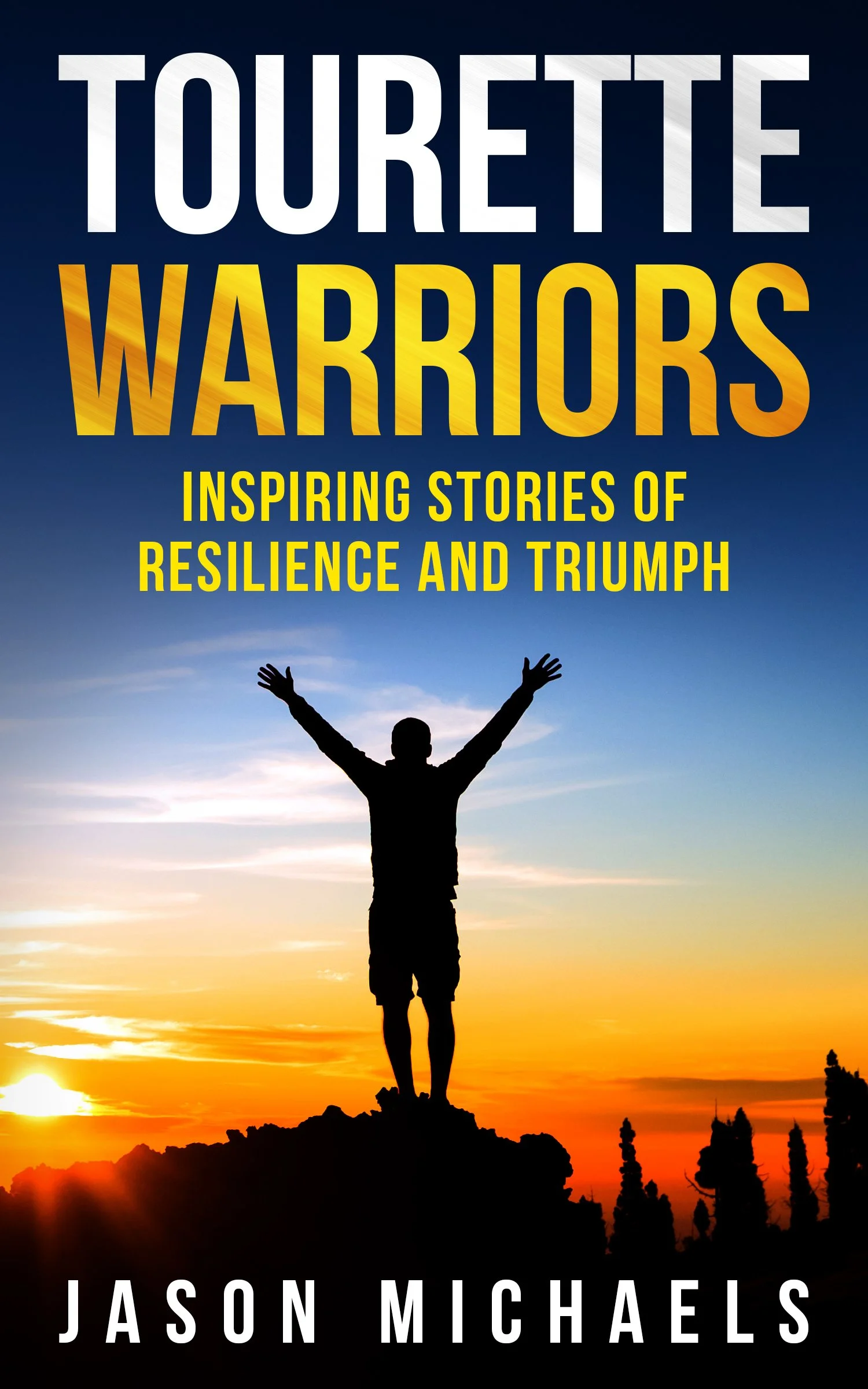
That’s exactly why Tourette Warriors was created.
In his new book, Jason Michaels shares powerful stories of resilience, perseverance, and triumph from people who have faced the challenges of Tourette Syndrome—and refused to let it define their future.
More than a book, Tourette Warriors is a reminder that struggles do not disqualify you from living a meaningful, successful, and extraordinary life.
Whether you live with Tourette Syndrome yourself, love someone who does, or simply want a deeper understanding of the human spirit, this is a book that will leave you inspired.